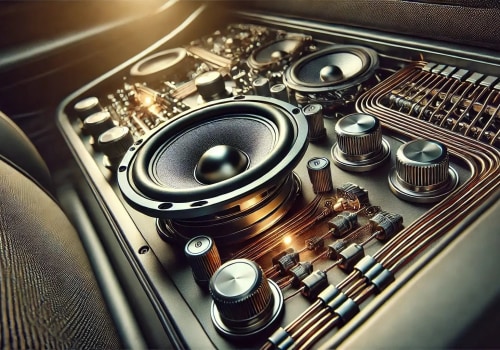
A custom car audio build can completely change the driving experience, but successful results usually begin with careful planning. Before visiting an auto repair shop, think about what you want from the system. Some drivers want stronger bass, while others prioritize clearer vocals, balanced sound, or higher overall volume. Your goals will influence the speakers, subwoofers, amplifiers, head unit, wiring, and sound-processing equipment required. It is also helpful to establish a realistic budget before discussing the project with technicians. Custom audio systems can range from simple speaker upgrades to extensive installations involving multiple amplifiers, subwoofers, custom enclosures, and digital signal processors.
Check Your Vehicle’s Electrical Capacity
One of the most important considerations in a custom audio build is the vehicle's electrical system. High-powered amplifiers and multiple audio components can demand significantly more electricity than a factory sound system. Before installation begins, technicians may evaluate the battery, alternator, wiring, and charging system to determine whether upgrades are necessary. Consulting an automotive facility such as In N Out Oil & Tires can be part of the preparation process when checking the vehicle's general mechanical and electrical condition before adding equipment. In some cases, a stronger battery, upgraded alternator, or larger power cables may be recommended to support the additional electrical demand.
Choose Components That Work Together
Purchasing expensive audio equipment does not automatically guarantee better sound. Speakers, amplifiers, subwoofers, and other components need to work together properly. Amplifier power should match the requirements of the speakers and subwoofers, while impedance ratings must also be compatible. Technicians can help determine whether selected components are appropriate for the vehicle and intended audio goals. Choosing equipment as a complete system rather than buying individual parts without considering compatibility can improve performance and reduce the risk of equipment damage.
Consider Space and Installation Location
Custom audio equipment can take up a significant amount of space, particularly when subwoofer enclosures and amplifiers are involved. Before beginning the build, decide how much cargo or passenger space you are willing to sacrifice. A large subwoofer enclosure may provide powerful bass but could reduce usable trunk space. Amplifiers also require secure mounting locations with adequate ventilation. Professional installers can recommend equipment placement that balances sound quality, accessibility, ventilation, and available space.
Understand the Importance of Proper Wiring
Wiring is a major part of any custom car audio installation. Power cables, speaker wires, signal cables, fuses, and grounding connections must be installed correctly to achieve reliable performance. Poor wiring can cause unwanted noise, voltage drops, blown fuses, overheating, or damage to audio components. Proper cable routing also helps prevent interference between power and audio signals. Professional installation can ensure that wiring is secured and protected from sharp edges, heat, moisture, and moving vehicle components.
Ask About Soundproofing and Acoustic Treatment
Road noise and vibration can reduce the effectiveness of an upgraded sound system. Adding sound-deadening materials to doors, floors, trunks, or other areas may improve audio clarity while reducing rattles caused by powerful speakers and subwoofers. Acoustic treatment can be especially useful for vehicles receiving substantial bass upgrades. Discussing these options before installation allows technicians to incorporate them more efficiently during the build.
Plan for Tuning and Future Upgrades
Installation is only part of creating a quality custom audio system. Proper tuning helps speakers, amplifiers, and subwoofers perform together without distortion. Technicians may adjust crossover frequencies, amplifier gains, equalization, and digital signal processing to create balanced sound throughout the cabin. Drivers should also consider whether they might want additional upgrades later. Leaving room for another amplifier, extra speakers, or upgraded processing equipment can make future modifications easier. By planning the system carefully, confirming electrical capacity, choosing compatible equipment, and prioritizing professional installation and tuning, vehicle owners can create a custom audio build that delivers enjoyable sound without compromising reliability or everyday usability.