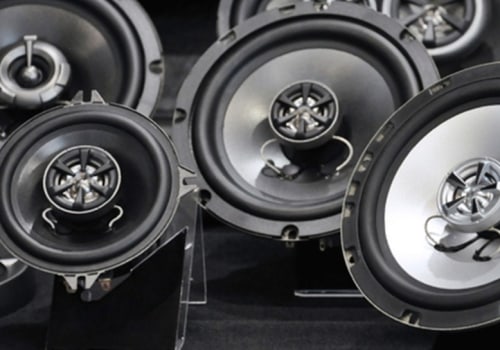
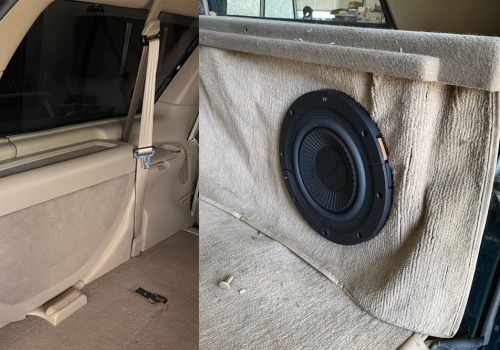
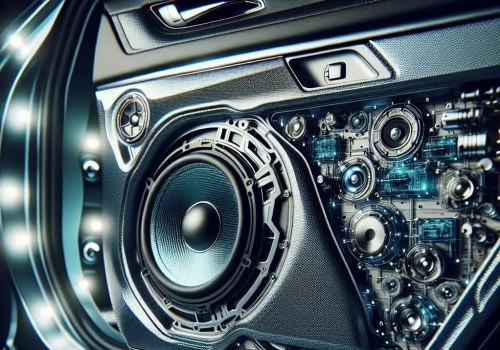
In the world of automotive enthusiasts, car custom audio builds represent a unique blend of engineering and artistry. These builds are not merely about installing speakers and amplifiers; they are about creating an immersive sound experience that transforms the driving environment. Whether you’re a casual listener or an audiophile, understanding the intricacies of a custom audio system can significantly enhance your enjoyment of music on the road. A typical car audio system consists of various components, including head units, speakers, subwoofers, and amplifiers. Each element plays a crucial role in delivering sound quality that meets the listener's expectations.
For instance, high-quality speakers can reproduce sound with clarity and depth, while powerful amplifiers ensure that the audio remains distortion-free even at high volumes. The synergy between these components is what makes a custom audio build truly exceptional. However, achieving optimal sound quality is not just about selecting the right components; it also involves meticulous testing and tuning. This is where sound quality testing becomes essential. By evaluating how well the system performs across different frequencies and volumes, you can identify areas for improvement and ensure that your custom audio build delivers a rich and balanced listening experience.
Understanding these fundamentals will prepare you for the journey ahead as we explore various methods to test and refine your car's audio system.
Importance of Sound Quality Testing
Testing the sound quality of car custom audio builds is not just a luxury; it is a necessity for anyone looking to enhance their driving experience. The importance of sound quality testing lies in its ability to ensure that the audio system performs at its best, delivering clear and balanced sound across all frequencies.One of the primary benefits of testing audio systems is user satisfaction. A well-tuned audio system can transform an ordinary drive into an immersive experience. By evaluating sound quality, users can identify any issues such as distortion, imbalance, or inadequate bass response.Addressing these problems not only enhances the listening experience but also increases the overall enjoyment of the vehicle.Moreover, sound quality evaluation plays a crucial role in performance optimization. When components such as speakers, amplifiers, and subwoofers are properly tested and calibrated, they work together harmoniously. This synergy not only improves sound clarity but also extends the lifespan of the equipment by preventing damage caused by improper settings.
- Enhanced Clarity: Testing helps in achieving a clearer sound by adjusting equalization settings.
- Balanced Sound: Ensures that all frequencies are represented equally, providing a more enjoyable listening experience.
- Informed Upgrades: Identifying weaknesses in the current setup can guide future upgrades or modifications.
Investing time in thorough testing will ultimately result in a superior auditory experience on the road.
Listening Tests: The Subjective Approach
When it comes to evaluating the sound quality of car custom audio builds, listening tests offer a unique opportunity to assess audio performance through personal experience. Unlike technical measurements, these tests focus on how the sound resonates with you as a listener.To conduct effective listening tests, consider the following steps:- Select a Variety of Music: Choose tracks that you are familiar with and that span different genres. This will help you gauge how well your audio system handles various frequencies and dynamics.
- Create a Controlled Environment: Minimize external noise by testing in a quiet location. Ensure that the car is parked and that windows are closed to avoid interference from outside sounds.
- Adjust Settings: Before starting your tests, make sure to set your audio system to a neutral position.
This means flat EQ settings without any enhancements or bass boosts that could skew your perception.
- Take Notes: As you listen, jot down your impressions regarding clarity, balance, and overall enjoyment. Pay attention to how well the system reproduces vocals, instruments, and bass.
- Do the vocals sound clear and distinct?
- Is there a good balance between bass, midrange, and treble?
- How does the sound stage feel? Can you pinpoint where different instruments are located?
Embrace these differences as they can guide you in fine-tuning your car custom audio build.Ultimately, listening tests are about finding what sounds best to you. Trust your ears and enjoy the process of discovering the full potential of your audio system.
Using Audio Measurement Tools
Testing the sound quality of your car custom audio builds is essential to ensure that you achieve the best listening experience. One effective way to do this is by utilizing various audio measurement tools. These tools can help you analyze sound quality, frequency response, and overall performance of your audio system.Types of Audio Measurement Tools
- Sound Level Meters: These devices measure the intensity of sound in decibels (dB).
They are useful for determining how loud your audio system can get without distortion.
- Frequency Analyzers: These tools provide a visual representation of the frequency response of your audio system. They help identify peaks and dips in sound, allowing you to adjust your setup for a more balanced output.
- Room EQ Wizards (REW): This software allows for detailed analysis of your audio system's performance. It can measure frequency response, phase, and impulse response, providing comprehensive data for optimization.
- Microphones: High-quality measurement microphones are essential for accurate sound analysis. They capture the audio output from your speakers and can be used in conjunction with software like REW for precise measurements.
How to Use Audio Measurement Tools Effectively
To get the most out of your audio measurement tools, follow these steps:- Calibration: Ensure that all measurement tools are properly calibrated before use.
This step is crucial for obtaining accurate results.
- Setup: Position your microphone at the listening position in your car. This will give you a true representation of how the sound is perceived by listeners.
- Testing: Play a variety of test tones and music tracks while monitoring the readings on your measurement tools. Pay attention to any irregularities in frequency response.
- Adjustments: Based on the data collected, make necessary adjustments to your audio system, such as tweaking equalizer settings or repositioning speakers.
Frequency Response Testing Techniques
Testing the frequency response of your car custom audio builds is crucial for ensuring optimal sound quality. This process involves measuring how well your audio system reproduces different frequencies, which can significantly impact the overall listening experience.Understanding Frequency Response
Frequency response refers to the range of frequencies that an audio system can reproduce, typically measured in Hertz (Hz).A flat frequency response indicates that the system reproduces all frequencies equally, which is ideal for accurate sound reproduction. However, many systems may have peaks or dips in certain frequency ranges, affecting sound quality.
Techniques for Frequency Response Testing
- Use of Audio Analysis Software: Software tools like REW (Room EQ Wizard) or FuzzMeasure can help analyze the frequency response of your audio system. These programs generate test tones across a range of frequencies and display the results graphically.
- Microphone Placement: Proper microphone placement is essential for accurate measurements. Position the microphone at the listener's ear level and in the center of the vehicle to capture a representative sound profile.
- Test Tones and Pink Noise: Utilize test tones or pink noise to evaluate how your system handles various frequencies.
Pink noise, in particular, provides a balanced representation of all frequencies, making it an excellent choice for testing.
Interpreting Frequency Response Results
Once you have collected data from your tests, interpreting the results is key. Look for a smooth curve in the frequency response graph; significant peaks may indicate distortion or resonance issues, while dips could suggest areas where sound is lacking. Aim for a response that remains relatively flat across the audible spectrum (20 Hz to 20 kHz) to ensure a balanced sound.In conclusion, frequency response testing is an essential step in evaluating and optimizing your car custom audio builds. By employing these techniques and understanding the results, you can make informed adjustments to enhance your audio experience on the road.Distortion and Noise Testing Methods
Testing for distortion and unwanted noise in your car's custom audio build is crucial for ensuring optimal sound quality.Here are some effective methods to evaluate these aspects:
- Use a Distortion Analyzer: A distortion analyzer can measure the total harmonic distortion (THD) of your audio system. By playing a test tone at various frequencies, you can identify how much distortion is introduced by the speakers and amplifiers.
- Listen for Clipping: Clipping occurs when the audio signal exceeds the system's capacity, resulting in a harsh, distorted sound. To test for clipping, gradually increase the volume while playing a dynamic track. If you hear a sudden change in sound quality, it may indicate clipping.
- Evaluate Noise Floor: The noise floor refers to the background noise level in your audio system.
To assess this, play a silent track and listen closely for any hissing or buzzing sounds. A high noise floor can detract from overall audio clarity.
- Frequency Sweep Test: Conducting a frequency sweep test helps identify how well your system reproduces different frequencies. Use a frequency generator to play tones across the audible spectrum and listen for any inconsistencies or distortions.
This will help you gauge whether your system is performing at its best or if adjustments are needed to reduce distortion and noise.
Real-World Listening Environments: Testing in Different Conditions
When evaluating the sound quality of car custom audio builds, it is essential to conduct tests in various real-world listening environments. The acoustics of a car can significantly differ based on several factors, including the type of vehicle, the materials used in the interior, and even the weather conditions. Understanding how these elements impact sound quality can help you fine-tune your audio system for optimal performance.Environmental Impact on Sound Quality
Different environments can alter how sound waves travel and are perceived. For instance, testing your audio system in a quiet suburban area may yield different results compared to a bustling urban environment.Here are some key factors to consider:
- Background Noise: Urban settings often have higher levels of background noise, which can mask certain frequencies and affect your overall listening experience.
- Vehicle Type: The size and shape of your car can influence sound distribution. Larger vehicles may require more powerful speakers to fill the space effectively.
- Interior Materials: Hard surfaces like metal and glass can create reflections that distort sound, while softer materials like fabric can absorb sound and enhance clarity.
Real-World Listening Tests
To accurately assess your car custom audio build, perform listening tests in various conditions:- Parked vs. Moving: Test your audio system while parked to evaluate clarity without interference from road noise. Then, take it for a drive to see how it performs in motion.
- Different Speeds: Listen at various speeds to determine how well the audio holds up when driving fast versus slow.
- Weather Conditions: Rain or wind can introduce additional noise; test your system during different weather scenarios to gauge its resilience.
This knowledge will enable you to make informed adjustments, ensuring an exceptional listening experience no matter where you are.
Common Issues and Troubleshooting Tips
When testing the sound quality of your car custom audio builds, you may encounter several common issues that can affect performance. Identifying these problems early can save you time and enhance your listening experience. Here are some frequent audio issues and troubleshooting tips to help you resolve them.- Distorted Sound: If you notice distortion at higher volumes, it could be due to clipping from the amplifier or poor speaker placement. Ensure that your amplifier is properly matched to your speakers and consider adjusting the gain settings.
- Weak Bass Response: Insufficient bass can stem from improper subwoofer installation or inadequate enclosure design.
Check that your subwoofer is securely mounted and that the enclosure is sealed correctly to enhance low-frequency output.
- Uneven Sound Levels: If certain frequencies seem overpowering or lacking, it may be due to phase issues or incorrect equalizer settings. Experiment with the equalizer to balance the sound and ensure that all speakers are wired in phase.
- Noise Interference: Background noise can disrupt your listening experience. This may be caused by ground loops or poor wiring. Inspect your wiring for any loose connections and consider using a ground loop isolator to minimize interference.
- Conduct a Visual Inspection: Check all connections, wires, and components for any visible damage or loose fittings.
- Test Each Component Individually: Isolate each part of your audio system (head unit, amplifier, speakers) to identify where the problem lies.
- Use Quality Audio Sources: Ensure you are testing with high-quality audio files to accurately assess sound quality.
- Seek Professional Help: If issues persist after troubleshooting, consider consulting a professional installer who specializes in car custom audio builds.
FAQs About Testing Sound Quality in Car Custom Audio Builds
When it comes to testing sound quality in car custom audio builds, several common questions arise.Here are some frequently asked questions that can help clarify the process and enhance your understanding:
- What is the best way to evaluate sound quality?
To effectively evaluate sound quality, listen to a variety of music genres that you enjoy. Pay attention to clarity, bass response, and overall balance. Use high-quality audio files to ensure you are hearing the best representation of your system. - How can I identify distortion in my audio system?
Distortion often manifests as a harsh or fuzzy sound, especially at higher volumes. To test for distortion, gradually increase the volume while listening for any changes in clarity.If you notice a loss of detail or an unpleasant sound, it may indicate distortion.
- What role does speaker placement play in sound quality?
Speaker placement is crucial in achieving optimal sound quality. Experiment with different positions to find the best location for your speakers, as this can significantly affect the stereo image and overall listening experience. - Should I use a sound meter for testing?
While not necessary for casual testing, a sound meter can provide precise measurements of decibel levels and frequency response. This can be particularly useful for fine-tuning your setup and ensuring that all components are performing optimally. - How do I know if my audio system is properly tuned?
A well-tuned audio system should deliver clear sound across all frequencies without any noticeable peaks or dips. Use equalization settings to adjust frequencies based on your listening preferences and the acoustics of your vehicle.
Remember that personal preference plays a significant role in what sounds best to you, so trust your ears as you make adjustments.
Conclusion: Key Takeaways for Optimal Sound Quality Testing
In conclusion, testing the sound quality of your car custom audio builds is an essential step to ensure that you achieve the best auditory experience possible. By employing a variety of testing methods, you can identify areas for improvement and fine-tune your system to meet your specific preferences. Here are some key takeaways to remember:- Use Reference Tracks: Always have a selection of well-produced tracks that you are familiar with. This will help you gauge the performance of your audio system accurately.
- Evaluate Different Frequencies: Pay attention to how your system handles low, mid, and high frequencies. Each range should be clear and balanced without distortion.
- Test at Various Volumes: Sound quality can change at different volume levels.
Make sure to test your audio system at both low and high volumes to assess its performance.
- Incorporate Sound Measurement Tools: Utilize tools like SPL meters or frequency analyzers to get objective data on your sound quality. This can help you make informed adjustments.
- Seek Feedback: Don’t hesitate to invite friends or fellow audio enthusiasts to listen and provide their opinions. Fresh ears can often catch issues that you might overlook.