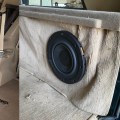
In recent years, car custom audio builds have surged in popularity among automotive enthusiasts, transforming the way we experience sound on the road. These custom audio systems are designed to enhance the auditory experience within a vehicle, offering superior sound quality and a personalized touch that factory-installed systems often lack. From high-fidelity speakers to powerful subwoofers and advanced amplifiers, a well-executed audio build can turn an ordinary drive into an extraordinary auditory journey.The appeal of custom audio installations lies not only in their ability to deliver exceptional sound but also in the opportunity for car owners to express their individuality. Enthusiasts can tailor their systems to fit their specific preferences, whether that means prioritizing bass-heavy beats for hip-hop lovers or crystal-clear highs for classical music aficionados.
As technology advances, the options for customization continue to expand, making it easier than ever to create a unique audio environment that reflects personal taste.However, as with any modification, potential buyers often wonder about the implications of such changes. One common concern is whether these installations can be easily removed or reversed if desired. Understanding the nature of car custom audio builds and the installation process is crucial for anyone considering this upgrade. In the following sections, we will explore not only the benefits of custom audio systems but also address the feasibility of reverting back to a stock setup, ensuring that enthusiasts can make informed decisions about their automotive enhancements.
What Are Car Custom Audio Builds?
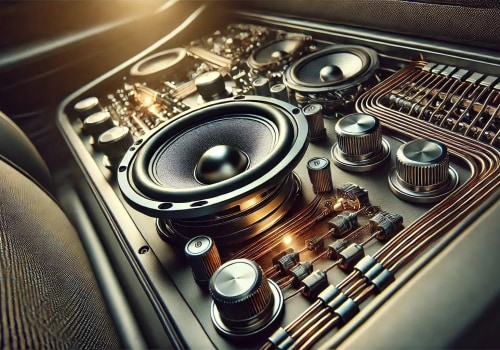
A car custom audio build refers to a tailored audio system designed to enhance the sound quality and overall listening experience in a vehicle.Unlike standard factory-installed systems, custom audio builds allow for a more personalized approach, incorporating various high-performance components that cater to the specific preferences of the owner.At the heart of any custom audio system are several key components:
- Speakers: These are crucial for sound reproduction. Custom builds often include a mix of component speakers, which separate the woofer and tweeter for better sound clarity, and subwoofers, which enhance bass response.
- Amplifiers: Amplifiers boost the audio signal, providing the necessary power to drive high-quality speakers. A well-matched amplifier can significantly improve sound quality and volume.
- Head Units: The head unit is the control center of the audio system. It allows users to manage playback sources, adjust settings, and often includes features like Bluetooth connectivity and touchscreen interfaces.
- Cables and Wiring: Quality cables and wiring are essential for minimizing signal loss and ensuring optimal performance.
Upgrading these components can lead to noticeable improvements in sound quality.
- Sound Deadening Materials: These materials help reduce unwanted noise and vibrations within the vehicle, allowing for a clearer audio experience.
The Installation Process of Custom Audio Systems
Installing a custom audio system in your vehicle is an exciting process that can significantly enhance your driving experience. Understanding the installation process is crucial, especially if you ever consider removing or reversing the build. Here’s a breakdown of the typical steps involved in the custom audio installation process.Preparation
Before diving into the installation, proper preparation is key.This includes:
- Gathering Tools and Equipment: Ensure you have all necessary tools such as screwdrivers, wire strippers, and connectors.
- Selecting Components: Choose high-quality speakers, amplifiers, and head units that fit your vehicle's specifications.
- Reading Manuals: Familiarize yourself with the manuals of each component to understand their specific installation requirements.
Wiring
The wiring stage is critical for ensuring that your custom audio build functions correctly. This involves:- Running Wires: Carefully route power, ground, and speaker wires through your vehicle to avoid interference and damage.
- Connecting Components: Securely connect all components according to the wiring diagrams provided by manufacturers.
- Testing Connections: Before finalizing the installation, test all connections to ensure they are secure and functioning properly.
Integration with Existing Systems
The final step involves integrating your new audio system with existing vehicle systems. This may include:- Tuning the System: Adjust settings on your head unit and amplifier to optimize sound quality.
- Ensuring Compatibility: Make sure that the new system works seamlessly with your car’s electrical system to prevent any issues.
- Final Checks: Conduct a thorough check of all components to ensure everything is working as intended.
Can Custom Audio Builds Be Removed or Reversed?
When considering a car custom audio build, one of the most common concerns is whether these installations can be removed or reversed if desired.The answer largely depends on several factors, including the installation methods used and any modifications made to the vehicle.
Installation Methods
- Professional vs. DIY: Professional installations often use more permanent methods, such as soldering wires and securing components with brackets. In contrast, DIY installations may utilize connectors and adhesive mounts, making them easier to remove.
- Type of Equipment: Some audio systems are designed for easy removal, featuring plug-and-play components. Others may require more extensive disassembly of the vehicle's interior.
- Alterations to Factory Wiring: If the original wiring harness has been modified, reversing the installation may be more complicated.
Restoring the factory setup could require professional assistance.
- Physical Changes: Custom enclosures or speaker mounts that alter the vehicle's structure can complicate removal. If these changes are significant, restoring the vehicle to its original state may not be feasible without additional repairs.
- Assess Compatibility: Before removal, check if the original components can be reinstalled without damage.
- Document the Process: Take photos or notes during installation to aid in reverse installation.
- Seek Professional Help: If unsure about the process, consulting a professional can save time and prevent damage.
Factors Influencing the Reversibility of Custom Audio Builds
When considering the reversibility of a car custom audio build, several factors come into play that can significantly influence whether the installation can be undone without damaging the vehicle or its components.Type of Equipment Used
The choice of audio equipment is crucial.High-quality, modular components are often designed with removability in mind. For instance, systems that utilize plug-and-play wiring harnesses allow for easier disassembly. Conversely, custom-built systems that involve soldered connections or permanent modifications to the vehicle's wiring can complicate removal.
Installation Techniques
The methods employed during installation also impact reversibility. Here are some common techniques:- Screws and Brackets: Using screws and brackets for mounting speakers or amplifiers makes it easier to remove them later.
- Adhesives: If adhesives are used to secure components, they may damage surfaces upon removal, making reversibility more challenging.
- Wiring Methods: Utilizing connectors instead of hardwiring allows for simpler disconnection and reconnection.
Vehicle Modifications
Any modifications made to the vehicle itself can also affect how easily a custom audio build can be reversed.For example:
- Cuts and Drills: If the installation involved cutting or drilling into the vehicle's structure, restoring it to its original state may require professional repairs.
- Interior Alterations: Changes to the dashboard or other interior components can leave permanent marks or require replacement parts.
Potential Challenges in Removing Custom Audio Systems
Removing a car custom audio build can present several challenges that may complicate the process. Understanding these potential difficulties is crucial for anyone considering a reversal of their audio installation.Damage to Original Wiring
One of the most significant challenges is the potential for damage to the original wiring harness. During the installation of a custom audio system, modifications are often made to the factory wiring.This can include:
- Splicing wires: Cutting and connecting wires can lead to issues if not done carefully, making it difficult to revert to the original setup.
- Removing connectors: Some custom installations may involve removing or replacing factory connectors, which can be hard to restore.
Difficulty in Reinstallation of Factory Components
Another challenge lies in the reinstallation of factory components. After a custom audio build, certain parts may no longer fit or function as intended. This can include:- Modified brackets: Custom mounts or brackets used for speakers or amplifiers may obstruct the reinstallation of factory parts.
- Missing components: During the removal process, some original parts might be lost or damaged, making it impossible to restore the vehicle to its factory condition.
Best Practices for Reversing a Custom Audio Build
When considering the removal or reversal of car custom audio builds, it’s essential to approach the process with care to avoid damaging your vehicle or its original components.Here are some best practices to ensure a smooth transition:
- Plan Ahead: Before starting the removal process, take time to plan. Gather all necessary tools, such as screwdrivers, wire cutters, and a multimeter. Understanding the layout of your audio system will help you identify which components need to be removed.
- Document the Installation: Take photos or make notes of how the custom audio system was installed. This documentation will serve as a reference for both removal and potential reinstallation of original components.
- Disconnect the Battery: Always disconnect the vehicle's battery before working on any electrical components.
This step prevents short circuits and protects both you and your vehicle's electrical system.
- Remove Components Methodically: Start with the least integrated parts, such as speakers and head units, before moving on to amplifiers and wiring. Carefully unscrew and detach each component, keeping track of screws and connectors.
- Label Wires: As you disconnect wires, label them to avoid confusion later. Use masking tape or small tags to indicate where each wire connects, making it easier to revert back to the original setup if desired.
- Store Removed Parts Safely: Keep all removed components in a safe place. If you plan to reinstall them later, ensure they are stored in a way that prevents damage.
- Check for Damage: After removal, inspect both the custom audio components and the vehicle’s original wiring and fixtures for any signs of damage.
Address any issues before proceeding with reinstallation of factory parts.
FAQs About Car Custom Audio Builds and Their Reversibility
When considering car custom audio builds, many enthusiasts often wonder about the potential for reversibility. Here are some frequently asked questions that can help clarify this topic:- Can I remove my custom audio system later?
Yes, most custom audio builds can be removed. However, the ease of removal depends on how the system was installed.If the installation was done with minimal modifications to the vehicle, it is generally easier to reverse.
- Will removing my audio system damage my car?
If installed correctly, a custom audio system should not cause any permanent damage to your vehicle. However, if modifications were made to the car's structure or wiring, there may be some repairs needed after removal. - What should I consider before removing my custom audio build?
Consider the following:- The quality of the original installation
- Any modifications made to the vehicle
- The potential resale value of your car with or without the system
- Can I revert to the factory audio system?
In many cases, yes. If you kept your original equipment and it is in good condition, you can reinstall it after removing your custom setup. - Are there any costs associated with reversing a custom audio build?
Yes, there may be costs involved in both removing the custom system and reinstalling the factory setup. It's advisable to consult with a professional installer for an accurate estimate.
Conclusion: Key Takeaways on Car Custom Audio Builds and Their Reversibility
In conclusion, understanding the reversibility of car custom audio builds is crucial for both current and prospective car owners.Throughout this article, we have explored various aspects of custom audio systems, including their installation, benefits, and potential challenges when it comes to removal.One of the key takeaways is that while many custom audio builds can be removed or reversed, the ease of doing so largely depends on the quality of the installation and the components used. Here are some important points to consider:
- Professional Installation: Systems installed by professionals are often designed with reversibility in mind, making it easier to remove them without damaging the vehicle.
- Quality Components: High-quality components may be easier to uninstall and resell, preserving their value and functionality.
- Wiring and Modifications: Extensive modifications to a vehicle's wiring can complicate removal. It's essential to keep track of any changes made during installation.
- Documentation: Keeping documentation of the installation process can aid in future removals, providing guidance on how to safely reverse the build.