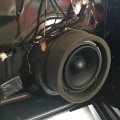
In the world of automotive enthusiasts, car custom audio builds have emerged as a popular way to enhance the driving experience. These builds allow individuals to tailor their vehicle's sound system to their personal preferences, creating a unique auditory environment that reflects their style and taste. Whether it's for enjoying music on long road trips or simply elevating the daily commute, a custom audio system can transform an ordinary car into a mobile concert hall. The appeal of DIY car audio projects lies in the ability to customize every aspect of the sound system. From selecting high-quality speakers and amplifiers to designing the layout and installation process, car enthusiasts can take control of their audio experience.
This hands-on approach not only fosters creativity but also provides a sense of accomplishment when the project is completed. Moreover, building your own audio system can often be more cost-effective than purchasing pre-packaged solutions. As technology advances, the options for custom audio systems have expanded significantly. With a plethora of components available on the market, including subwoofers, head units, and sound processors, DIYers can create setups that rival professional installations. Additionally, many online resources and communities offer guidance and support for those looking to embark on their own car audio journey.
This accessibility has made it easier than ever for anyone to dive into the world of car custom audio builds, regardless of their prior experience.
Benefits of DIY Car Audio Builds
Undertaking a DIY car audio build offers numerous advantages that can enhance your driving experience while also providing a sense of accomplishment. Here are some key benefits to consider:- Cost Savings: One of the most significant advantages of a DIY car audio build is the potential for cost savings. By sourcing your own components and installing them yourself, you can avoid the hefty labor fees charged by professional installers. This allows you to allocate more of your budget towards high-quality equipment.
- Personalization: A DIY approach gives you the freedom to customize every aspect of your audio system.
You can choose specific components that match your sound preferences, whether you prioritize deep bass, clear vocals, or a balanced sound profile. This level of personalization ensures that your audio system is tailored to your unique tastes.
- Satisfaction of Building: There’s a profound sense of satisfaction that comes from building something with your own hands. Completing a DIY car audio build not only enhances your technical skills but also provides a rewarding experience as you listen to the fruits of your labor. The pride in knowing you created a system that meets your needs is unmatched.
- Learning Experience: Engaging in a DIY project allows you to learn about car audio technology and installation techniques.
This knowledge can be invaluable for future upgrades or repairs, making you more self-sufficient when it comes to maintaining your vehicle's audio system.
Essential Tools and Equipment for DIY Audio Builds
Embarking on a DIY car custom audio build requires not only creativity but also the right set of tools and equipment. Having the appropriate tools can make the installation process smoother and more efficient, ensuring that your audio system performs at its best.- Wire Strippers: Essential for removing insulation from wires without damaging the conductor. This tool is crucial for making clean connections.
- Screwdrivers: A set of both flathead and Phillips screwdrivers will help you secure various components in your vehicle, such as speakers and head units.
- Socket Wrench Set: Useful for loosening and tightening bolts that hold your car's audio components in place.
A ratchet wrench can save you time and effort.
- Multimeter: This tool is vital for testing electrical connections and ensuring that your audio system is receiving the correct voltage.
- Drill and Drill Bits: If you need to create new mounting holes for speakers or amplifiers, a drill will be indispensable. Make sure to have a variety of drill bits for different materials.
- Heat Shrink Tubing: Ideal for insulating wire connections, heat shrink tubing provides a professional finish and protects against short circuits.
- Soldering Iron: For those who prefer permanent connections, a soldering iron allows you to join wires securely, ensuring longevity in your audio setup.
- Tape Measure: Accurate measurements are crucial when planning your installation layout. A tape measure helps ensure that everything fits perfectly in your vehicle.
Choosing the Right Components for Your Custom Audio System
When embarking on a car custom audio build, selecting the right components is crucial for achieving the best sound quality.The main components to consider include speakers, amplifiers, and head units. Each of these parts plays a significant role in the overall performance of your audio system.
Speakers
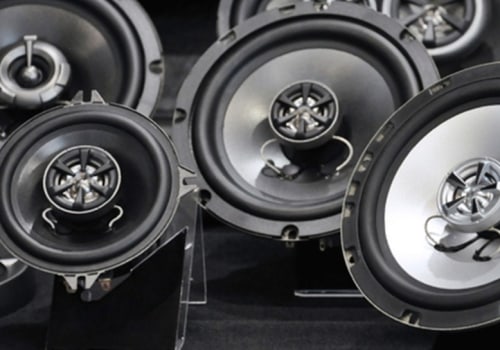
The first step in your selection process should be choosing the right speakers. Look for speakers that match your listening preferences and vehicle acoustics. Consider the following:- Size: Ensure that the speaker size fits your car's existing mounts.
- Type: Decide between coaxial (full-range) and component speakers.
Coaxial speakers are easier to install, while component speakers offer superior sound quality.
- Power Handling: Check the RMS (Root Mean Square) rating to ensure they can handle the power output from your amplifier.
Amplifiers
Next, consider amplifiers, which are essential for driving your speakers effectively. A good amplifier will enhance sound clarity and volume without distortion. When selecting an amplifier, keep these points in mind:- Channels: Choose an amplifier with enough channels to power all your speakers. A 4-channel amp is typically sufficient for a standard setup.
- Power Output: Match the amplifier's power output to your speakers' RMS ratings for optimal performance.
- Compatibility: Ensure that the amplifier is compatible with your head unit and other components.
Head Units
The head unit is the control center of your audio system.It determines how you interact with your music and can significantly affect sound quality. When selecting a head unit, consider:
- Features: Look for features like Bluetooth connectivity, USB ports, and compatibility with streaming services.
- Sound Processing: Advanced sound processing options can help tailor the audio output to your preferences.
- User Interface: A user-friendly interface will enhance your overall experience while driving.
Step-by-Step Guide to Building Your Own Car Audio System
Building your own car audio system can be a rewarding project that enhances your driving experience. Follow this step-by-step guide to successfully install a custom audio system in your vehicle.- Gather Your Tools and Materials:
- Car audio components (head unit, speakers, amplifier, subwoofer)
- Wiring harnesses and connectors
- Tools (screwdrivers, wire strippers, soldering iron, multimeter)
- Sound deadening material (optional)
- Remove the Existing Audio System:Start by disconnecting the battery to avoid any electrical issues.
Carefully remove the existing head unit and speakers by unscrewing them from their mounts. Take note of the wiring connections for reference.
- Install the New Head Unit:Connect the wiring harness to your new head unit according to the manufacturer’s instructions. Secure it in place using the provided mounting kit.
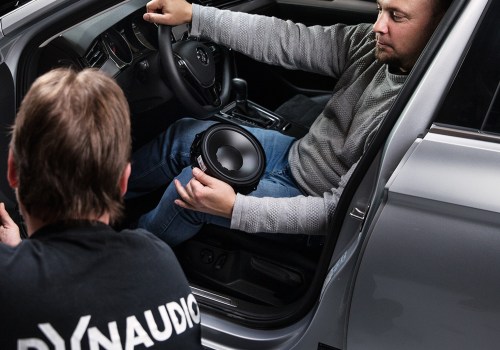
- Mount the Speakers:Choose locations for your new speakers, ensuring they fit well and are securely mounted. Use sound deadening material to minimize vibrations and improve sound quality.
- Connect the Amplifier:If you’re using an amplifier, connect it to the head unit and speakers.
Make sure to run power wires from the battery to the amplifier, following safety guidelines to avoid short circuits.
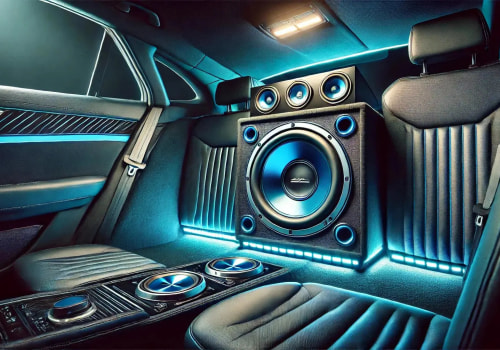
- Add a Subwoofer (if applicable):If you want deeper bass, install a subwoofer in a suitable enclosure. Connect it to the amplifier and ensure it is securely mounted in your vehicle.
- Tuning Your System:Once everything is connected, reconnect the battery and power on your system. Adjust the settings on your head unit and amplifier for optimal sound quality. Test different genres of music to find the best balance.
Enjoy your new sound system!
Common Mistakes to Avoid in DIY Car Audio Builds
When embarking on a DIY car audio build, it's easy to overlook certain details that can lead to frustrating outcomes. Here are some common mistakes to avoid:- Neglecting the Power Requirements: One of the most frequent errors is underestimating the power needs of your audio system. Ensure your car's electrical system can handle the additional load, and consider upgrading your alternator or battery if necessary.
- Poor Wiring Practices: Using inadequate or incorrect gauge wiring can lead to performance issues and even damage your equipment. Always refer to the manufacturer’s specifications for wire gauge recommendations.
- Ignoring Speaker Placement: The placement of speakers significantly affects sound quality.
Avoid simply installing them wherever they fit; instead, consider optimal locations for sound staging and imaging.
- Overlooking Sound Deadening: Failing to use sound deadening materials can result in unwanted vibrations and road noise, which detracts from your audio experience. Invest in quality sound deadening products to enhance clarity.
- Skipping the Testing Phase: After installation, many DIYers skip thorough testing. Always test your system at various volume levels and frequencies to ensure everything is functioning correctly before finalizing the installation.
FAQs About DIY Car Custom Audio Builds
When embarking on a DIY car custom audio build, many enthusiasts have questions that can help clarify the process and enhance their experience.Here are some frequently asked questions:
- What tools do I need for a DIY car audio build? Essential tools include a multimeter, wire strippers, soldering iron, and various hand tools like screwdrivers and wrenches. Additionally, having a good set of connectors and electrical tape will help ensure secure connections.
- Can I install a custom audio system without professional help? Yes, many DIYers successfully install their own systems. However, it’s crucial to research and understand the components involved, such as head units, amplifiers, and speakers. Online tutorials and forums can provide valuable guidance.
- What are common mistakes to avoid in DIY car audio builds? Some common pitfalls include:
- Not properly matching the power requirements of the amplifier and speakers.
- Neglecting to secure wiring, which can lead to shorts or disconnections.
- Overlooking sound deadening materials that can significantly improve audio quality.
- How do I troubleshoot issues with my car audio system? If you encounter problems, start by checking the connections and ensuring that all components are powered correctly.
Use a multimeter to test for voltage at the amplifier and head unit. If sound is distorted or absent, inspect the speaker wires for damage or loose connections.
Conclusion: Your Journey to a Custom Car Audio Experience
As we conclude our exploration of car custom audio builds, it's clear that the journey to enhancing your vehicle's sound system is both exciting and rewarding. Whether you're a seasoned audio enthusiast or a curious beginner, the DIY approach offers a unique opportunity to tailor your audio experience to your personal preferences.Throughout this article, we've discussed various aspects of custom audio builds, from selecting the right components to understanding installation techniques.Here are some key takeaways:
- Component Selection: Choosing high-quality speakers, amplifiers, and head units is crucial for achieving optimal sound quality.
- Installation Skills: Learning basic installation skills can save you money and give you a sense of accomplishment.
- Sound Tuning: Proper tuning of your audio system can significantly enhance your listening experience.
- Community Resources: Engaging with online forums and local car audio clubs can provide valuable insights and support.
Happy building!.