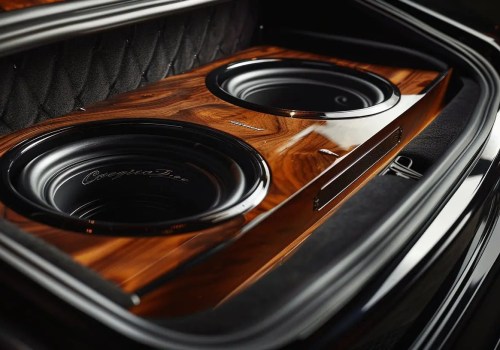
When embarking on a journey to create the perfect car custom audio build, understanding your unique audio needs is paramount. Every audiophile has distinct sound preferences that can significantly influence the components you choose for your system. Whether you crave deep bass that resonates through your entire vehicle or prefer crystal-clear highs that make vocals shine, identifying these preferences early on will help you tailor your setup to meet your expectations. To effectively assess your listening habits, consider the types of music you enjoy most. Do you often listen to genres that require a robust low-end response, such as hip-hop or electronic music? Or are you more inclined towards classical or acoustic genres that demand clarity and detail? By pinpointing your favorite styles, you can prioritize specific features in your audio system, such as subwoofers for bass-heavy tracks or high-quality tweeters for intricate melodies. Additionally, think about how you typically use your car audio system.
Are you frequently on long road trips where immersive soundscapes enhance the experience, or do you mostly enjoy short commutes where convenience and ease of use take precedence? Understanding these factors will not only guide your component selection but also help in designing a user-friendly interface that complements your lifestyle. Ultimately, taking the time to evaluate your sound preferences and listening habits will lay a solid foundation for your custom audio build. This thoughtful approach ensures that every element of your system works harmoniously to deliver an unparalleled auditory experience tailored just for you.
Budgeting for Your Custom Audio Build
When embarking on a car custom audio build, one of the most critical steps is establishing a realistic budget. This budget will guide your decisions on components, installation, and any additional features you may want to include.To start, consider the following key factors that will influence your custom audio build budget:- Components: The heart of your audio system lies in its components. This includes the head unit, speakers, amplifiers, and subwoofers.
Prices can vary significantly based on brand and quality. For instance, a decent head unit can range from $100 to $500, while high-end speakers may cost anywhere from $200 to $1,000 or more.
- Installation Costs: If you're not planning to install the system yourself, factor in installation costs. Professional installation can range from $50 to $150 per hour, depending on the complexity of the job. A simple setup might take a couple of hours, while a more intricate build could take much longer.
- Cables and Accessories: Don’t forget about the necessary cables and accessories.
Quality wiring can enhance sound performance and durability. Budget around $50 to $200 for these items.
- Soundproofing: To maximize sound quality, consider investing in soundproofing materials. This can add an additional $100 to $300 to your budget but is often worth it for a cleaner sound.
This will help you visualize where your money is going and identify areas where you might be able to cut back if necessary.If you're working with a tight budget, there are still affordable options. Look for mid-range products that offer good quality without breaking the bank. Additionally, consider purchasing used or refurbished components from reputable sources. This can significantly reduce costs while still allowing you to achieve a satisfying audio experience.In conclusion, setting a realistic budget for your car custom audio build is essential for ensuring that you get the most out of your investment.
By carefully considering each component's cost and exploring affordable options, you can create an impressive audio system that fits within your financial means.
Choosing the Right Components
When embarking on a car custom audio build, selecting the right components is crucial to achieving the sound quality and performance you desire. Each component plays a specific role in the overall system, and understanding these roles will help you make informed decisions.Speakers
The heart of any audio system lies in its speakers. They convert electrical signals into sound, and their quality directly impacts your listening experience. When choosing speakers, consider:- Size: Larger speakers typically produce deeper bass, while smaller ones excel in higher frequencies.
- Type: Coaxial speakers combine multiple elements into one unit, while component speakers separate them for better sound quality.
- Power Handling: Ensure the speakers can handle the power output from your amplifier without distortion.
Amplifiers
Amplifiers are essential for boosting the audio signal to drive your speakers effectively.When selecting an amplifier, keep these factors in mind:
- Power Output: Match the amplifier's power output to your speakers' requirements for optimal performance.
- Channels: Choose between mono, stereo, or multi-channel amplifiers based on your system configuration.
- Efficiency: Look for Class D amplifiers for better efficiency and less heat generation.
Head Units
The head unit, or receiver, is the control center of your audio system. It processes audio signals and provides connectivity options. Consider the following when selecting a head unit:- Features: Look for features like Bluetooth connectivity, USB ports, and smartphone integration for added convenience.
- User Interface: A user-friendly interface enhances your experience while driving.
- Sound Processing: Advanced sound processing features can significantly improve audio quality.
Installation Considerations
When embarking on car custom audio builds, the installation process is a critical phase that can significantly impact the overall performance and satisfaction with your audio system. Understanding whether to tackle the installation yourself or hire a professional can save you time, money, and potential headaches.DIY vs Professional Installation
Choosing between a DIY installation and hiring a professional often depends on your skill level, available tools, and the complexity of the audio system you plan to install.If you have experience with car electronics and feel confident in your abilities, a DIY approach can be rewarding and cost-effective. However, keep in mind that modern audio systems can be intricate, requiring specific knowledge about wiring, compatibility, and tuning.On the other hand, opting for professional installation ensures that your system is set up correctly from the start. Professionals have the expertise to handle complex installations and can troubleshoot issues that may arise during the process. This option may come at a higher cost but can provide peace of mind and potentially better sound quality.
Common Installation Challenges
No matter which route you choose, be prepared for some common challenges:- Wiring Issues: Incorrect wiring can lead to poor sound quality or even damage to your audio components.
- Space Constraints: Limited space in your vehicle may complicate the installation of larger components like amplifiers or subwoofers.
- Compatibility Problems: Ensuring all components work together seamlessly is crucial; mismatched equipment can lead to subpar performance.
- Tuning: Properly tuning your audio system is essential for achieving optimal sound quality, which can be challenging without experience.
Whether you choose to go the DIY route or seek professional help, being aware of what to expect will enhance your overall experience and satisfaction with your new audio system.
Sound Quality and Tuning Techniques
When embarking on car custom audio builds, achieving optimal sound quality is paramount. The right tuning techniques can significantly enhance your listening experience, making it essential to understand how to adjust your system effectively.1.Speaker Placement
- Positioning your speakers correctly is crucial. Ideally, they should be angled towards the listener to create a more immersive soundstage.
- Consider the height and distance from the listener's ears; this can dramatically affect clarity and balance.
2.Equalization (EQ)
- Utilizing an EQ allows you to adjust the frequency response of your audio system. Start with a flat setting and gradually tweak the bass, midrange, and treble frequencies to suit your preferences.
- Avoid excessive boosting of frequencies, as this can lead to distortion.
Instead, make subtle adjustments for a more natural sound.
3.Time Alignment
- Time alignment ensures that sound from all speakers reaches the listener simultaneously. This can be achieved through digital signal processors (DSP) or by adjusting speaker placement.
- Proper time alignment enhances clarity and depth, making it easier to distinguish between different instruments and vocals.
4.Acoustic Treatment
- The acoustics of your vehicle play a significant role in sound quality. Consider adding acoustic panels or damping materials to reduce unwanted reflections and vibrations.
- This treatment can help in achieving a cleaner sound by minimizing interference from the car's interior surfaces.
5.Testing and Fine-Tuning
- After making adjustments, take the time to listen critically. Use various music genres to test different aspects of your system.
- Fine-tune settings based on your listening preferences and the specific characteristics of your vehicle's interior.
Legal Considerations and Safety Tips
When embarking on car custom audio builds, it’s crucial to consider the legal implications and safety measures associated with high-powered sound systems.Understanding local car audio laws can save you from potential fines and ensure a smooth experience.
Understanding Car Audio Laws
Many states have specific regulations regarding the volume levels of car audio systems. These laws are often designed to minimize noise pollution and ensure that drivers remain aware of their surroundings. Before you start your build, check the following:- Noise Ordinances: Research local noise ordinances that dictate acceptable sound levels during different times of the day.
- Sound System Modifications: Some areas may have restrictions on the types of modifications you can make to your audio system, especially if they affect the vehicle's safety features.
- Enforcement: Be aware that law enforcement may conduct checks, especially in residential areas or during events where noise complaints are common.
Safety Tips for Your Custom Build
In addition to legal considerations, ensuring safety while enjoying your custom audio system is paramount. Here are some essential tips:- Secure Installation: Ensure that all components are securely installed to prevent them from becoming projectiles in the event of a sudden stop or accident.
- Avoid Distracted Driving: While it’s tempting to adjust settings while driving, always prioritize road safety.
Use hands-free controls or set up your system before hitting the road.
- Monitor Volume Levels: Keep your volume at a level that allows you to hear emergency vehicles and other important sounds from outside your vehicle.
Maintaining Your Custom Audio System
Maintaining your custom audio system is crucial for ensuring its longevity and optimal performance. Regular care not only protects your investment but also enhances your listening experience. Here are some essential tips to keep your audio components in top shape:- Regular Cleaning: Dust and debris can accumulate on speakers and other components, affecting sound quality.
Use a soft, dry cloth to gently wipe down surfaces. For grilles, a vacuum with a brush attachment can help remove dust without damaging the material.
- Check Connections: Periodically inspect all wiring and connections. Loose or corroded connections can lead to poor sound quality or even system failure. Ensure that all cables are securely connected and free from damage.
- Avoid Overloading: Each component in your car custom audio build has a specific power rating.
Exceeding these limits can cause overheating and damage. Be mindful of volume levels and avoid pushing your system beyond its capabilities.
- Temperature Control: Extreme temperatures can adversely affect audio components. Try to park in shaded areas or use sunshades to protect your system from excessive heat, which can warp materials and degrade performance.
- Periodic Professional Check-ups: Just like any other part of your vehicle, your audio system benefits from professional maintenance. Consider having a technician inspect your setup annually to catch any potential issues before they become serious problems.
Remember, a little care goes a long way in preserving the performance of your investment.
Frequently Asked Questions about Car Custom Audio Builds
When embarking on car custom audio builds, many enthusiasts have questions that can significantly impact their project. Here are some frequently asked questions to help guide you through the process.What components do I need for a custom audio build?
A typical car audio system includes several key components:- Head Unit: The control center of your audio system, responsible for playing music and managing other features.
- Speakers: Choose between coaxial or component speakers based on your sound quality preferences.
- Amplifiers: These boost the power of your audio signal, enhancing sound quality and volume.
- Subwoofers: For deep bass, subwoofers are essential in any high-quality audio setup.
- Cables and Wiring: Quality wiring is crucial for optimal performance and to avoid interference.
How do I troubleshoot common issues?
If you encounter problems with your custom audio build, consider these troubleshooting tips:- No Sound: Check all connections, ensure the head unit is powered, and verify that the speakers are functioning.
- Poor Sound Quality: Inspect speaker placement and ensure that the amplifier settings are correctly adjusted.
- Interference or Noise: Look for loose wires or poor grounding, which can introduce unwanted noise into the system.