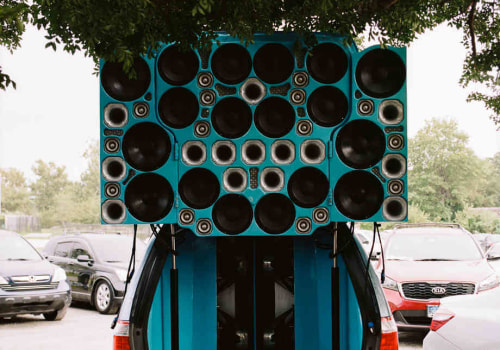
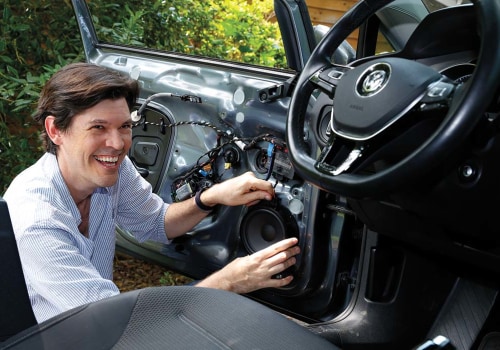
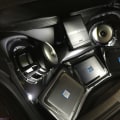
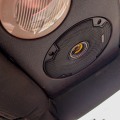
In the world of automotive customization, car custom audio builds have emerged as a popular trend among enthusiasts looking to enhance their driving experience. These builds involve the installation of high-quality audio systems tailored to individual preferences, allowing drivers to enjoy superior sound quality while on the road. From powerful subwoofers that deliver deep bass to crisp tweeters that ensure clear highs, a well-executed audio system can transform an ordinary car into a mobile concert hall. The appeal of audio system installation goes beyond just sound quality; it also reflects personal style and creativity. Car owners often take pride in showcasing their unique setups, which can include custom enclosures, LED lighting, and advanced technology like Bluetooth connectivity and smartphone integration.
This level of personalization not only enhances the aesthetic of the vehicle but also creates a sense of ownership and pride among car enthusiasts. However, as exciting as car custom audio builds can be, they come with their own set of challenges and safety considerations. Proper installation is crucial to avoid potential hazards such as electrical shorts or damage to the vehicle's electrical system. Understanding these safety precautions is essential for anyone looking to embark on a custom audio project. In the following sections, we will delve deeper into the necessary steps and precautions to ensure a safe and successful audio build.
Importance of Safety in Car Audio Installations
When embarking on car custom audio builds, prioritizing safety is paramount.The process involves working with electrical systems, heavy equipment, and potentially hazardous materials, making it essential to understand the risks involved.
Potential Risks in Car Audio Installations
- Electrical Hazards: Improper handling of wiring can lead to short circuits, which may cause electrical fires or damage to the vehicle's electrical system.
- Physical Injuries: Lifting heavy components like amplifiers and subwoofers can result in strains or injuries if not done correctly. Additionally, sharp edges on equipment can cause cuts.
- Hearing Damage: High volumes during testing can lead to permanent hearing loss. It's crucial to monitor sound levels and use hearing protection when necessary.
Importance of Safety Precautions
Implementing safety precautions not only protects the individual performing the installation but also ensures the longevity and functionality of the audio system. Here are some key safety measures to consider:
- Disconnect the Battery: Always disconnect the car battery before starting any installation to prevent electrical shocks and short circuits.
- Use Proper Tools: Invest in quality tools designed for automotive work.
This reduces the risk of accidents and ensures a more efficient installation process.
- Follow Manufacturer Guidelines: Adhering to the instructions provided by audio equipment manufacturers can prevent misuse and potential hazards.
- Work in a Well-Ventilated Area: If using adhesives or other chemicals, ensure adequate ventilation to avoid inhaling harmful fumes.
Essential Tools and Equipment for Safe Audio Builds
When embarking on car custom audio builds, having the right tools and equipment is crucial not only for achieving optimal sound quality but also for ensuring a safe installation process. Below is a list of essential tools that every car audio enthusiast should consider:- Wire Strippers: These are vital for safely removing insulation from wires without damaging the conductors. Properly stripped wires ensure secure connections, reducing the risk of shorts.
- Soldering Iron: A soldering iron is essential for making strong, reliable connections between wires.
Using solder instead of crimp connectors can enhance durability and reduce the chance of failure.
- Multimeter: This tool is indispensable for checking voltage levels and continuity in your audio system. It helps identify any electrical issues before they become problematic.
- Heat Shrink Tubing: After soldering connections, using heat shrink tubing provides insulation and protection against moisture and abrasion, which is crucial in a car environment.
- Panel Removal Tools: These specialized tools help you safely remove panels without damaging clips or the surrounding surfaces, making it easier to access wiring and components.
- Drill and Drill Bits: If you need to mount speakers or other components, a drill with the appropriate bits will allow you to create clean holes without cracking or damaging your vehicle's interior.
Safety Precautions Before Starting Your Build
Before diving into your car custom audio build, it’s crucial to prioritize safety to ensure a smooth and successful installation.Here are some essential safety precautions to consider:
- Check the Vehicle's Electrical System: Before starting, inspect your car's electrical system. Ensure the battery is in good condition and fully charged. A weak battery can lead to electrical issues during installation.
- Disconnect the Battery: Always disconnect the negative terminal of the battery before beginning any work. This prevents accidental short circuits and protects both you and your vehicle's electrical components.
- Use Proper Tools: Make sure you have the right tools for the job.
Using incorrect tools can lead to injuries or damage to your car’s interior. Invest in quality tools that are specifically designed for automotive work.
- Ensure Proper Ventilation: If you’re working indoors, ensure that the area is well-ventilated. Some materials used in audio installations can emit fumes that may be harmful if inhaled for extended periods.
- Wear Protective Gear: Don’t forget to wear safety glasses and gloves. These will protect your eyes from debris and your hands from sharp edges or electrical components.
- Read Manufacturer Instructions: Always refer to the installation manuals provided by the audio equipment manufacturers.
Following their guidelines can prevent mistakes that could compromise safety or performance.
Wiring Safety: Best Practices to Follow
When embarking on car custom audio builds, ensuring safety during the wiring process is paramount. Proper wiring techniques not only enhance the performance of your audio system but also prevent potential electrical hazards. Here are some best practices to follow:- Use Quality Wiring: Invest in high-quality, appropriately gauged wires that can handle the power requirements of your audio system.
Using wires that are too thin can lead to overheating and potential short circuits.
- Secure Connections: Ensure all connections are tight and secure. Loose connections can cause arcing, which may lead to electrical fires. Use soldering or high-quality connectors to maintain a solid connection.
- Avoid Short Circuits: Be mindful of where you route your wires. Keep them away from sharp edges and moving parts that could cause damage.
Use wire loom or protective tubing to shield wires from abrasion.
- Proper Grounding: A good ground connection is essential for any audio system. Make sure to connect the ground wire to a clean, unpainted metal surface on the vehicle's chassis to ensure a solid ground.
- Fuse Protection: Always use fuses in your wiring setup. Fuses protect your audio equipment from power surges and short circuits by breaking the circuit when excessive current flows.
- Plan Your Layout: Before starting, plan the layout of your wiring. This helps avoid tangles and ensures that wires are routed efficiently, reducing the risk of interference with other vehicle systems.
Taking the time to ensure safe wiring techniques will not only protect your investment but also enhance the overall performance of your audio system.
Handling Electrical Components Safely
When embarking on car custom audio builds, handling electrical components safely is paramount to ensure both your safety and the longevity of your audio system. Here are some essential guidelines to follow:- Disconnect the Battery: Before starting any work, always disconnect the car battery. This prevents accidental short circuits and protects you from electric shocks while working with the audio system.
- Use Proper Tools: Invest in insulated tools designed for electrical work. These tools help minimize the risk of accidental shocks and ensure a safer working environment.
- Grounding: Proper grounding is crucial in any car audio build.
Ensure that all components are grounded correctly to prevent electrical noise and potential damage. Use a dedicated ground wire connected to a clean, unpainted metal surface on the vehicle.
- Avoid Static Discharge: Static electricity can damage sensitive electronic components. To avoid this, regularly touch a grounded metal object or use an anti-static wrist strap while handling parts.
- Check for Damage: Before installation, inspect all electrical components for signs of damage, such as frayed wires or burnt connectors. Replacing damaged parts before installation can prevent future issues.
- Follow Manufacturer Instructions: Always adhere to the manufacturer’s guidelines for installation and wiring.
This ensures that you are using components as intended and reduces the risk of electrical failures.
Testing Your Audio System Safely After Installation
After completing your car custom audio build, it’s crucial to conduct a thorough and safe testing process to ensure everything is functioning as intended. Here are some essential steps to follow:- Check Connections: Before powering on your audio system, double-check all connections. Ensure that wires are securely connected and that there are no exposed wires that could cause shorts.
- Use a Multimeter: Utilize a multimeter to test the voltage at the amplifier and speakers.
This will help you confirm that the system is receiving the correct power supply.
- Start with Low Volume: When you first power on your system, keep the volume low. This minimizes the risk of damaging your speakers or amplifiers if there are any issues.
- Play Test Tracks: Choose a variety of tracks that cover different frequencies and dynamics. This will help you assess the performance of your speakers and subwoofers.
- Listen for Distortion: Pay attention to any distortion or unusual sounds. If you hear anything out of the ordinary, turn down the volume immediately and investigate potential issues.
- Check Each Component: Test each component individually, including head units, amplifiers, and speakers.
This will help isolate any problems that may arise.
Common Mistakes to Avoid During Car Custom Audio Builds
When embarking on car custom audio builds, it's crucial to be aware of common mistakes that can lead to safety hazards and subpar performance. Here are some prevalent errors to avoid:- Neglecting Power Requirements: One of the most significant mistakes is underestimating the power needs of your audio system.
Ensure that your vehicle's electrical system can handle the additional load. Failing to do so can lead to blown fuses or even electrical fires.
- Poor Wiring Practices: Using inadequate or incorrect gauge wiring can result in overheating and signal loss. Always use high-quality, appropriately gauged wires for your setup. Additionally, ensure all connections are secure and insulated to prevent shorts.
- Ignoring Speaker Placement: Improper speaker placement can drastically affect sound quality.
Avoid placing speakers in locations that obstruct airflow or are too close to each other, as this can lead to muddled sound and distortion.
- Overlooking Sound Deadening: Failing to incorporate sound deadening materials can result in unwanted vibrations and noise interference. This not only affects audio quality but can also lead to rattling components that may damage your installation over time.
- Skipping Professional Help: If you're unsure about any aspect of your build, don’t hesitate to seek professional assistance. Many enthusiasts underestimate the complexity of custom audio installations, which can lead to costly mistakes.
FAQs About Safety in Car Custom Audio Builds
When embarking on car custom audio builds, safety should be a top priority.Here are some frequently asked questions that address common concerns regarding safety precautions during the build process.
What are the main safety concerns during a car audio build?
Several safety concerns can arise during a car audio build, including:- Electrical hazards: Working with the car's electrical system can pose risks such as short circuits or electrical shocks.
- Heat management: Amplifiers and other components can generate heat, which may lead to fires if not properly ventilated.
- Physical injuries: Handling tools and heavy equipment can result in cuts, bruises, or other injuries if not done carefully.
How can I ensure electrical safety during my audio build?
To maintain electrical safety, consider the following tips:- Disconnect the battery: Always disconnect the car battery before starting any work to prevent accidental shocks or shorts.
- Use proper wiring: Ensure that you use high-quality, appropriately gauged wires to handle the power requirements of your audio system.
- Fuse protection: Install fuses in your wiring to protect against overloads and potential fires.
What precautions should I take regarding heat management?
To manage heat effectively in your custom audio build, follow these guidelines:- Ventilation: Ensure that amplifiers and other heat-generating components have adequate airflow around them.
- Heat sinks: Consider using heat sinks or fans to dissipate heat from critical components.
Are there any specific tools I should use for safety?
Using the right tools can enhance safety during your build. Recommended tools include:- Screwdrivers and wrenches: Use insulated tools to prevent electrical shocks.
- Cable strippers: Properly strip wires to avoid fraying and potential shorts.
- Safety goggles and gloves: Protect your eyes and hands while working with tools and heavy equipment.