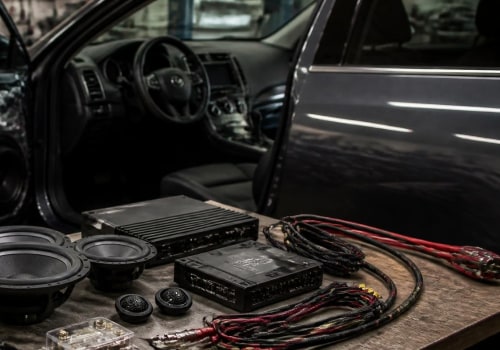
When it comes to enhancing your driving experience, car custom audio builds stand out as a popular choice among automotive enthusiasts. These builds allow you to tailor your audio system to meet your specific preferences, ensuring that every drive is accompanied by high-quality sound. Understanding the various components involved in a custom audio setup is crucial for both installation and troubleshooting. From head units and amplifiers to speakers and subwoofers, each element plays a vital role in delivering the audio performance you desire. The audio system components in a car custom audio build can be broadly categorized into several key parts.
The head unit serves as the control center, allowing you to manage playback sources and adjust settings. Amplifiers boost the audio signal, providing the necessary power to drive speakers effectively. Meanwhile, speakers and subwoofers are responsible for producing sound across different frequency ranges, from crisp highs to deep bass. Understanding how these components interact will not only help you create a balanced sound profile but also assist in diagnosing any issues that may arise. Before diving into troubleshooting common problems with your car audio system, it's essential to grasp some car audio basics.
Familiarizing yourself with terms like impedance, sensitivity, and crossover frequencies can significantly enhance your ability to identify and resolve issues. Whether you're experiencing distortion, poor sound quality, or complete system failure, having a solid foundation in how your custom audio build operates will empower you to tackle these challenges effectively.
Common Issues in Car Custom Audio Builds
When embarking on car custom audio builds, enthusiasts often encounter a variety of common issues that can hinder the overall performance and enjoyment of their audio systems. Understanding these problems is essential for effective troubleshooting.- Poor Sound Quality: One of the most frequent complaints in custom audio setups is poor sound quality. This can manifest as distortion, lack of clarity, or an unbalanced sound profile.
Common causes include:
- Incorrect speaker placement, which can lead to phase issues.
- Using low-quality components that do not match the system's specifications.
- Improper tuning of the amplifier settings.
- Installation Errors: Mistakes during installation can lead to a host of problems. Some typical installation errors include:
- Inadequate wiring, which can cause shorts or poor connectivity.
- Failure to secure components properly, leading to rattling or vibrations.
- Not following manufacturer guidelines for mounting and connections.
- Electrical Problems: Electrical issues are another common hurdle in car audio builds. These may include:
- Insufficient power supply, which can result in system shutdowns or underperformance.
- Grounding issues that can introduce noise into the audio signal.
- Faulty fuses or circuit breakers that disrupt power flow.
Diagnosing Sound Quality Problems
When it comes to car custom audio builds, achieving optimal sound quality is essential for an enjoyable listening experience. However, various issues can arise that affect audio clarity and performance.Here are some common sound quality problems and methods to diagnose them.
Identifying Distortion
Distortion is often characterized by a harsh or fuzzy sound, particularly at higher volumes. To diagnose this issue:- Check the Source: Ensure that the audio source (e.g., smartphone, CD player) is not the cause of distortion. Test with different sources to isolate the problem.
- Inspect Connections: Loose or corroded connections can lead to distortion. Examine all wiring and connectors for any signs of wear or damage.
- Adjust Settings: Sometimes, equalizer settings can push certain frequencies too high, causing distortion.
Experiment with different settings to find a balance.
Troubleshooting Imbalance
An imbalance in sound can make one side of your car audio system feel louder than the other. To troubleshoot this:- Check Fader Settings: Ensure that the fader is centered. If it’s skewed towards one side, adjust it back to the middle.
- Inspect Speaker Placement: Uneven speaker placement can lead to perceived imbalance. Make sure all speakers are installed correctly and at equal distances from the listener.
- Test Individual Speakers: Disconnect speakers one at a time to identify if a specific speaker is causing the imbalance.
Lack of Bass
If your system lacks bass, it can significantly detract from your listening experience.Here’s how to diagnose this issue:
- Check Subwoofer Settings: Ensure that the subwoofer is powered on and its settings are properly configured. Adjust the gain and crossover frequency as needed.
- Inspect Enclosure: If your subwoofer is in a sealed enclosure, ensure it’s airtight. Leaks can reduce bass response.
- Evaluate Audio Source: Some audio files may not have sufficient low-end frequencies. Test with different genres or tracks known for their bass response.
Addressing Installation Errors
When it comes to car custom audio builds, installation errors can significantly impact sound quality and overall performance.Identifying and rectifying these mistakes is crucial for achieving the best audio experience. Here are some common installation errors and how to fix them:
- Incorrect Wiring: One of the most frequent issues arises from improper wiring. This can lead to poor sound quality or even damage to your audio components. To fix this, double-check all connections, ensuring that positive and negative wires are correctly matched.
Use a multimeter to test for continuity and verify that all connections are secure.
- Poor Speaker Placement: The placement of speakers can greatly affect sound staging and clarity. If speakers are installed too close to corners or obstructed by other components, the sound may become muddled. To address this, experiment with different placements, aiming for a balanced distribution throughout the vehicle. Ideally, speakers should be positioned at ear level for optimal listening.
- Inadequate Power Supply: Insufficient power can lead to distortion and reduced performance.
Ensure that your amplifier is properly matched to your speakers and that your vehicle’s electrical system can handle the load. Upgrading your alternator or adding a capacitor may be necessary for high-powered systems.
- Neglecting Ground Connections: A poor ground connection can introduce noise and hum into your audio system. Make sure that all ground wires are securely attached to a clean, bare metal surface in the vehicle. This will help eliminate unwanted interference.
Regularly reviewing your setup and making adjustments as needed will ensure that you enjoy the best possible sound quality on every drive.
Resolving Electrical Issues
When it comes to car custom audio builds, electrical issues can be some of the most frustrating problems to troubleshoot. Common symptoms include poor sound quality, intermittent power, or complete system failure. Here are some steps to help you identify and resolve these car audio electrical problems.- Check the Power Supply: Ensure that your amplifier and head unit are receiving adequate power. Use a multimeter to measure voltage at the power terminals.
A reading below 12 volts may indicate a weak battery or poor connections.
- Inspect Fuses: Blown fuses are a common issue in custom audio systems. Check all fuses related to your audio components and replace any that are blown. Always use fuses with the correct amperage rating to prevent further damage.
- Grounding Issues: A poor ground connection can lead to noise and interference in your audio system. Make sure that the ground wire is securely connected to a clean, bare metal surface on the vehicle's chassis.
If necessary, re-sand the area to ensure a solid connection.
- Cabling and Connections: Inspect all wiring for signs of wear, fraying, or loose connections. Ensure that speaker wires are not crossed or shorted, as this can cause significant issues in sound quality.
- Check for Interference: Sometimes, electrical interference from other components in the vehicle can affect audio performance. Try rerouting your audio cables away from power wires and other sources of interference.
Testing and Fine-Tuning Your Audio System
Once you have addressed any issues with your car custom audio builds, the next step is to test and fine-tune your audio system to ensure it delivers the best possible sound quality.This process involves several key steps that can significantly enhance your listening experience.
Testing Your Car Audio System
Begin by playing a variety of music genres that you typically enjoy. This will help you assess how well your system performs across different frequencies and styles. Pay attention to:- Clarity: Ensure vocals and instruments are distinct and clear.
- Bass Response: Check if the bass is punchy without overwhelming other frequencies.
- Soundstage: Notice if the audio feels immersive, with a sense of space and direction.
Fine-Tuning Audio Settings
After testing, it’s time to adjust your settings for optimal performance. Here are some tips:- Treble and Bass Adjustments: Start with a neutral setting and gradually increase or decrease treble and bass levels based on your preference.
- Crossover Settings: Set the crossover frequency appropriately to ensure that each speaker type (subwoofers, mid-range, tweeters) operates within its optimal range.
- Equalizer Settings: Utilize the equalizer to fine-tune specific frequencies.
Boosting certain ranges can enhance clarity or depth, depending on your music choice.
Frequently Asked Questions About Car Custom Audio Builds
When it comes to car custom audio builds, many enthusiasts have questions about troubleshooting common issues. Here are some frequently asked questions that can help you navigate potential problems:What should I do if my audio system has no power?
If your system isn't powering on, first check the fuses in your vehicle.A blown fuse can prevent your audio system from receiving power. Additionally, ensure that all connections are secure, especially the power and ground wires. If everything appears intact, consider testing the head unit with a multimeter to confirm it’s functioning properly.
Why is there distortion in my audio output?
Distortion can stem from several sources. Start by checking the gain settings on your amplifier; if they are set too high, it can lead to distortion.Also, ensure that your speakers are compatible with your amplifier's output. If you're using a subwoofer, make sure it's properly tuned to avoid over-exertion.
How can I fix a weak or intermittent signal?
A weak signal can be frustrating. Begin by inspecting the antenna and its connections; a loose or damaged antenna can significantly affect reception. Additionally, check for any interference from other electronic devices in your vehicle that may be causing signal issues.What are common wiring mistakes to avoid?
- Incorrect wire gauge: Using wires that are too thin can lead to overheating and poor performance.
- Poor grounding: A bad ground connection can cause noise and other issues in your audio system.
- Neglecting polarity: Ensure that positive and negative wires are connected correctly to avoid phase issues.
Conclusion: Key Takeaways for Troubleshooting Car Custom Audio Builds
In conclusion, troubleshooting car custom audio builds requires a systematic approach to identify and resolve common issues effectively.By understanding the typical problems that can arise, you can save time and money while enhancing your audio experience.
Key Takeaways
- Identify Symptoms: Start by recognizing the specific symptoms of the issue, whether it’s poor sound quality, intermittent power, or complete system failure.
- Check Connections: Loose or corroded connections are often the culprits behind audio problems. Regularly inspect all wiring and connectors to ensure they are secure and free from damage.
- Test Components: Isolate each component of your audio system—such as the head unit, amplifier, and speakers—to determine which part may be malfunctioning. This methodical testing can pinpoint the source of the problem.
- Consult Manuals: Refer to the installation manuals for your specific components. They often contain troubleshooting sections that can provide valuable insights into resolving issues.
- Seek Professional Help: If you’re unable to resolve the issue on your own, don’t hesitate to consult a professional installer or technician who specializes in car custom audio builds.
Their expertise can save you from further complications.