In recent years, car custom audio builds have surged in popularity among automotive enthusiasts and casual drivers alike. The desire for a superior listening experience has driven many to invest time and resources into creating personalized audio systems that not only enhance sound quality but also reflect individual style. However, embarking on a custom audio project is not without its challenges. Understanding these potential hurdles is crucial for anyone looking to achieve the best results. One of the primary audio system challenges faced during a car custom audio build is the compatibility of components.
With a myriad of speakers, amplifiers, and head units available on the market, selecting parts that work harmoniously together can be daunting. Additionally, the physical constraints of a vehicle's interior often complicate installation, requiring creative solutions to fit larger components or optimize sound distribution. Moreover, car audio installation issues can arise from improper wiring or inadequate power supply, leading to subpar performance or even damage to the system. These technical challenges underscore the importance of thorough planning and research before diving into a custom build. By being aware of these common obstacles, enthusiasts can better prepare themselves for the rewarding journey of crafting an exceptional car audio experience.
Understanding the Basics of Car Audio Systems
When embarking on car custom audio builds, it is essential to understand the fundamental components that make up a car audio system.Each component plays a critical role in delivering high-quality sound and ensuring a seamless integration within the vehicle.
- Head Unit: The head unit, or receiver, is the control center of your car audio system. It allows you to manage audio sources, adjust settings, and connect to various devices. Choosing a head unit with the right features, such as Bluetooth connectivity or smartphone integration, can significantly impact your overall experience.
- Speakers: Speakers are responsible for converting electrical signals into sound. There are various types of speakers, including coaxial and component speakers.
Coaxial speakers combine multiple elements into one unit, while component speakers separate the elements for improved sound quality. Selecting the right type of speakers is crucial for achieving the desired audio performance.
- Amplifiers: Amplifiers boost the audio signal from the head unit to drive the speakers effectively. They come in different configurations, such as mono, two-channel, or multi-channel amplifiers. Understanding how much power your speakers require will help you choose an appropriate amplifier to avoid distortion and ensure optimal sound quality.
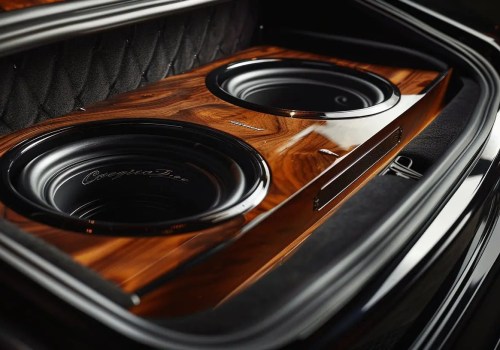
- Subwoofers: For those who crave deep bass, subwoofers are essential.
They are designed to reproduce low-frequency sounds that standard speakers may struggle with. When selecting a subwoofer, consider factors like size, power handling, and enclosure type to achieve the best bass response.
Common Challenges in Car Custom Audio Builds
When embarking on car custom audio builds, enthusiasts often encounter a variety of challenges that can complicate the installation process and affect overall performance.Understanding these common issues is crucial for achieving a successful audio setup.
Compatibility Issues
One of the primary challenges in car audio builds is ensuring compatibility between various components. For instance, the head unit, speakers, and amplifiers must work seamlessly together. Mismatched impedance levels or power ratings can lead to subpar sound quality or even damage to the equipment. Before purchasing components, it's essential to verify their specifications and compatibility.Installation Difficulties
Installation can be another significant hurdle.Many car models have unique layouts that can make accessing wiring harnesses and speaker locations difficult. Additionally, some vehicles may require custom brackets or modifications to fit new components properly. This can lead to increased labor time and costs, especially for those who opt for professional installation.
Sound Quality Problems
Even after overcoming installation hurdles, achieving optimal sound quality can be challenging. Factors such as speaker placement, acoustic treatment, and tuning play a vital role in the final output.Poorly positioned speakers can create imbalanced sound stages or unwanted resonance. To troubleshoot these issues, it may be necessary to experiment with different placements and adjustments to the equalizer settings.
Electrical Issues
Electrical problems are also common in car custom audio builds. Insufficient power supply or grounding issues can lead to noise interference or system malfunctions. It's important to ensure that the vehicle's electrical system can handle the additional load from upgraded audio components.Using high-quality wiring and connectors can help mitigate these problems.In summary, while car custom audio builds offer an exciting opportunity to enhance your driving experience, they come with their own set of challenges. By being aware of compatibility issues, installation difficulties, sound quality problems, and electrical concerns, you can better prepare for a successful build.
Compatibility Issues with Components
When embarking on car custom audio builds, one of the most significant challenges is ensuring compatibility among various components. A mismatch can lead to subpar performance or even damage to the equipment. Here are some key areas to consider:Matching Speakers and Amplifiers
One of the primary concerns in car audio component compatibility is the relationship between speakers and amplifiers.Each speaker has a specific impedance rating, typically 2, 4, or 8 ohms. It’s crucial to match this rating with the amplifier’s output. If the impedance is too low for the amplifier, it can overheat and fail. Conversely, if the impedance is too high, you may not achieve optimal sound quality.
Head Unit Compatibility
The head unit serves as the control center for your audio system, making its compatibility with other components essential.When selecting a head unit, consider:
- Output Power: Ensure that the head unit can provide sufficient power to drive your speakers effectively.
- Preamp Outputs: Check for the number of preamp outputs available; more outputs allow for easier integration of additional amplifiers.
- Audio Formats: Verify that the head unit supports the audio formats you intend to use, such as MP3, FLAC, or WAV.
Avoiding Common Pitfalls
To avoid common pitfalls in car custom audio builds, always consult compatibility charts provided by manufacturers and consider seeking advice from professionals. Additionally, reading user reviews can provide insights into how well different components work together in real-world applications.By paying close attention to these compatibility issues, you can create a harmonious audio system that delivers exceptional sound quality and performance.Installation Difficulties and Solutions
When embarking on car custom audio builds, one of the most significant hurdles is the installation process. Whether you are a DIY enthusiast or considering professional help, understanding common installation difficulties can save time and frustration.Common Installation Challenges
- Wiring Issues: Incorrect wiring can lead to poor sound quality or even damage to your audio components. Ensuring that you have the right wiring diagrams and connectors is crucial.
- Space Constraints: Many vehicles have limited space for speakers and amplifiers.
This can make it challenging to find suitable locations for installation without compromising sound quality.
- Compatibility Problems: Not all audio components are compatible with every vehicle. Researching compatibility before purchasing parts can prevent headaches during installation.
- Sound Deadening: Achieving optimal sound quality often requires sound deadening materials to minimize road noise. Installing these materials can be labor-intensive but is essential for a high-quality audio experience.
DIY Tips for Successful Installation
- Plan Ahead: Before starting, create a detailed plan that includes all components, tools needed, and a step-by-step guide to follow.
- Invest in Quality Tools: Using the right tools can make a significant difference in the ease and quality of your installation. Consider investing in a good set of wire strippers, crimpers, and a multimeter.
- Take Your Time: Rushing through the installation can lead to mistakes.
Take your time to ensure everything is done correctly.
When to Consider Professional Installation
If you encounter complex wiring issues or if your vehicle requires extensive modifications, it may be wise to seek professional help. Professionals have the experience and tools necessary to handle intricate installations efficiently, ensuring that your car custom audio build performs at its best.In conclusion, while there are several challenges associated with car audio installation, being aware of these issues and preparing accordingly can lead to a successful custom audio build, whether you choose to go the DIY route or hire a professional.
Sound Quality Problems and How to Fix Them
When embarking on car custom audio builds, achieving optimal sound quality is often a primary goal. However, several common sound quality problems can arise during the process. Understanding these issues and knowing how to troubleshoot them can significantly enhance your audio experience.Common Sound Issues in Car Audio
- Distortion: This is often caused by overdriving the amplifier or using low-quality speakers.
To fix this, ensure that your amplifier is properly matched to your speakers and avoid pushing the volume to its limits.
- Weak Bass: Insufficient bass response can stem from poor speaker placement or inadequate subwoofer power. Experiment with different locations for your subwoofer and consider upgrading to a more powerful amplifier if necessary.
- Unbalanced Sound: If one side of your car sounds louder than the other, check the balance settings on your head unit. Additionally, inspect the wiring for any loose connections that could affect sound distribution.
- Noise Interference: Electrical noise from the vehicle can interfere with audio quality. Use high-quality RCA cables and ensure that power and signal wires are routed separately to minimize interference.
Troubleshooting Sound Problems
To effectively troubleshoot sound problems in your car custom audio builds, follow these steps:- Conduct a Visual Inspection: Check all connections, wiring, and components for any visible damage or loose connections.
- Test Components Individually: Isolate each component (head unit, amplifier, speakers) to determine which part may be causing the issue.
- Adjust Settings: Fine-tune equalizer settings and crossover frequencies to optimize sound output based on your listening preferences.
Budgeting for Your Car Custom Audio Build
When embarking on a car custom audio build, one of the most critical aspects to consider is your budget.Understanding the cost of car custom audio builds can help you make informed decisions and avoid financial pitfalls.To start, it’s essential to establish a clear budget that reflects your goals and the quality of sound you desire. Here are some steps to effectively budget for your car audio system:
- Research Costs: Begin by researching the prices of various components such as head units, speakers, amplifiers, and subwoofers. This will give you a baseline for what to expect.
- Prioritize Components: Not all components are created equal. Determine which parts are most important for your build.
For instance, investing in high-quality speakers may yield better sound than a top-tier head unit.
- Set Aside Extra Funds: Always allocate an additional 10-20% of your budget for unexpected expenses. This can cover installation costs or any last-minute upgrades you might want to make.
- Consider Affordable Upgrades: If you're on a tight budget, look for affordable car audio upgrades. Many brands offer quality products at lower price points that can still enhance your audio experience without breaking the bank.
Be sure to get quotes from multiple installers and check their reviews to ensure you’re getting value for your money.Finally, keep in mind that while it’s tempting to go for the cheapest options available, investing in quality components will often save you money in the long run by reducing the need for replacements or repairs. By carefully planning and budgeting for your car custom audio build, you can achieve an impressive sound system that fits within your financial means.
Future Trends in Car Custom Audio Builds
As technology continues to evolve, the future of car audio technology is poised for significant advancements that will reshape the landscape of car custom audio builds. One of the most exciting trends is the integration of smart technology into audio systems. This includes features like voice recognition, allowing drivers to control their sound systems hands-free, enhancing both convenience and safety.Another emerging trend is the rise of wireless audio solutions.With Bluetooth and Wi-Fi technologies becoming more robust, custom audio builds can now offer seamless connectivity without the clutter of wires. This not only simplifies installation but also provides a cleaner aesthetic within the vehicle.
Innovations in Sound Quality
In terms of sound quality, manufacturers are focusing on high-resolution audio formats, which deliver superior sound fidelity compared to traditional formats. This shift means that custom audio builders will need to adapt their systems to support these new formats, ensuring that clients can enjoy an unparalleled listening experience.Sustainability in Audio Builds
Sustainability is also becoming a key consideration in custom car audio systems. As consumers become more environmentally conscious, there is a growing demand for eco-friendly materials and energy-efficient components.Builders who incorporate sustainable practices into their projects may find themselves at a competitive advantage.
- Integration with Smart Devices: Future systems will likely sync with smartphones and smart home devices for a cohesive user experience.
- Advanced DSP Technology: Digital Signal Processing (DSP) will continue to improve, allowing for more precise tuning and customization of sound profiles.
- Augmented Reality (AR) Interfaces: The potential use of AR for visualizing sound settings and configurations could revolutionize how users interact with their audio systems.
FAQs About Car Custom Audio Builds
When embarking on car custom audio builds, enthusiasts often have a myriad of questions. Here are some of the most frequently asked questions that can help clarify common concerns and troubleshooting tips.What are the essential components of a car audio system?
A typical car audio system includes several key components:- Head Unit: The control center for your audio system, responsible for playing music and managing settings.
- Speakers: These convert electrical signals into sound. Upgrading to high-quality speakers can significantly enhance audio clarity.
- Amplifiers: These boost the audio signal, allowing for louder and clearer sound without distortion.
- Subwoofers: Designed to reproduce low-frequency sounds, subwoofers add depth to your music.
What common issues arise during installation?
During the installation of car custom audio builds, several challenges may surface:- Wiring Problems: Incorrect wiring can lead to poor sound quality or even damage to components.
- Compatibility Issues: Not all components work well together.
Ensuring compatibility between the head unit, speakers, and amplifiers is crucial.
- Space Constraints: Limited space in certain vehicles can make it difficult to install larger components like subwoofers.
How can I troubleshoot sound quality issues?
If you experience sound quality problems, consider these troubleshooting steps:- Check all connections to ensure they are secure and correctly wired.
- Adjust the equalizer settings on your head unit to optimize sound output.
- If using an amplifier, verify that it is properly configured and not overheating.
Conclusion: Overcoming Challenges in Car Custom Audio Builds
In conclusion, navigating the world of car custom audio builds can be both exciting and challenging. As we have explored, several common obstacles can arise during the process, including budget constraints, technical knowledge gaps, and compatibility issues between components. Recognizing these challenges is crucial for anyone looking to enhance their vehicle's audio system.One of the most significant hurdles is often the budget. Custom audio builds can quickly escalate in cost, especially when high-quality components are involved.It’s essential to set a realistic budget and prioritize spending on key elements such as speakers, amplifiers, and head units. This approach ensures that you invest wisely in components that will deliver the best sound quality.Another challenge is the technical expertise required for installation. Many enthusiasts may find themselves overwhelmed by the complexity of wiring and tuning an audio system. To overcome this, consider seeking help from professionals or engaging with online communities where experienced builders share their knowledge.
Tutorials and forums can provide invaluable insights that simplify the installation process.Compatibility issues can also pose a significant challenge. Not all components work seamlessly together, which can lead to subpar performance or even damage to your vehicle's electrical system. To mitigate this risk, thorough research is essential before purchasing any equipment. Always check compatibility specifications and seek advice from experts if unsure.Ultimately, being aware of these challenges allows you to approach your car custom audio build with a well-informed mindset.
By planning ahead, budgeting wisely, and leveraging available resources, you can create a sound system that not only meets your expectations but also enhances your driving experience.