A professional car wash can help maintain a vehicle’s appearance, but drivers with aftermarket speakers, amplifiers, subwoofers, and other custom audio equipment should take a few extra precautions. Most properly installed car audio systems are designed to function safely inside the vehicle, where they are protected from ordinary exterior water exposure. However, loose seals, damaged weatherstripping, exposed wiring, or poorly mounted components can create problems if moisture reaches areas where electronics are installed. Before visiting Cloud10 smartwash, drivers with custom audio systems should make sure doors, windows, sunroofs, trunks, and other openings are fully closed and that any known leaks have been repaired.
Check Door and Window Seals
Many speakers are mounted inside vehicle doors, which means good door seals are especially important. Water can naturally enter certain parts of a door during rain or washing, but manufacturers design drainage channels and protective barriers to keep moisture away from sensitive components. Damaged weatherstripping, clogged drains, or improperly installed aftermarket speakers can interfere with this protection. Before going through a professional wash, owners should inspect rubber seals around doors and windows and pay attention to any previous signs of water entering the cabin.
Protect Amplifiers Installed in the Trunk
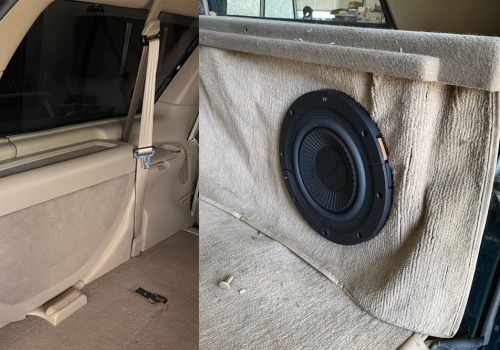
Amplifiers are frequently mounted in trunks, cargo areas, under seats, or behind interior panels. These locations are generally protected, but trunk leaks or damaged seals can expose electronics to moisture. Drivers should check for damp carpeting, water stains, or condensation around amplifier mounting areas. If moisture has appeared in the trunk after rain or previous washes, the leak should be diagnosed before using another car wash. Electronic equipment should remain dry and securely mounted to reduce the risk of corrosion, electrical problems, or damage to wiring connections.
Avoid Leaving Windows or Sunroofs Open
It may seem obvious, but even a slightly open window or partially closed sunroof can allow significant water into the vehicle during a professional wash. This is particularly risky when speakers are installed in doors, pillars, dashboards, or custom enclosures near windows. Drivers should confirm that all openings are completely closed before entering the wash. Vehicles with frameless windows should also be checked to ensure the glass has sealed correctly after closing the doors.
Inspect Custom Wiring and Installation Areas
A professionally installed audio system should use protected wiring, secure connections, and appropriate mounting methods. Still, owners should periodically inspect accessible areas for loose cables, damaged insulation, or connections that have shifted. Wiring near door jambs, trunks, or other moving sections may experience wear over time. If wires are exposed or an amplifier enclosure is loose, these issues should be corrected before the vehicle undergoes extensive washing or detailing.
Be Careful With Interior Cleaning
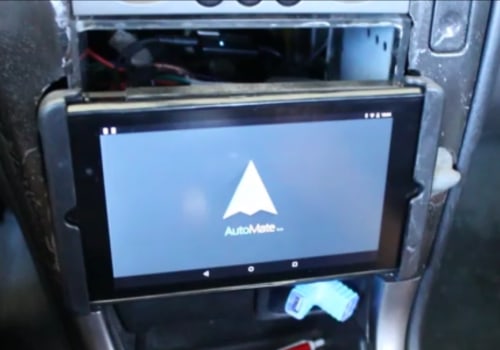
Some professional car wash packages include interior services, so owners should communicate clearly when the vehicle contains custom audio equipment. Cleaners should avoid spraying liquids directly onto speakers, amplifier controls, head units, digital processors, or electrical connections. Cleaning products should typically be applied to a cloth rather than directly to electronic surfaces. Custom speaker grilles and decorative panels may also require special cleaning methods depending on the materials used.
Watch for Moisture After the Wash
After leaving the car wash, drivers with custom audio systems can perform a quick inspection of the cabin, trunk, and installation areas. Look for unexpected moisture, damp carpeting, water around door panels, or condensation near electronic components. If water is found, it should be addressed promptly rather than allowing it to sit near wiring or equipment. Unusual audio behavior such as crackling, distortion, sudden shutdowns, or electrical odors should also be investigated.
Maintain Both Cleanliness and Audio Performance
Professional washing and custom car audio can easily coexist when the vehicle is properly maintained. The key is making sure seals are intact, drainage systems are functioning, electronic components are securely installed, and interior cleaning is performed carefully. Regular inspections can help identify leaks or installation problems before they affect speakers and amplifiers. By combining responsible car wash habits with proper audio maintenance, drivers can keep their vehicles looking clean while protecting the performance and condition of their custom sound systems.