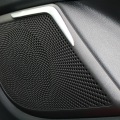
Custom car audio systems are designed to deliver exceptional sound quality, powerful bass, and an immersive listening experience. However, even high-quality speakers and amplifiers may struggle to perform optimally when unwanted road noise, engine vibrations, and external sounds interfere with audio clarity. Soundproofing plays an essential role in improving the acoustic environment inside a vehicle by reducing unwanted noise and controlling vibrations. Through specialized insulation materials and installation techniques, vehicle owners can create a quieter cabin that allows their audio equipment to perform more effectively. Understanding the relationship between soundproofing and audio performance helps enthusiasts maximize their investment in customized sound systems.
Reducing Road Noise and External Interference
One of the primary benefits of automotive soundproofing is its ability to minimize external noise entering the passenger cabin. Tire friction, wind resistance, traffic, and engine operation can interfere with music playback, particularly at lower listening volumes. Installing appropriate sound insulation materials in doors, floors, roofs, and wheel wells helps reduce the transmission of unwanted sounds. This improvement allows listeners to hear musical details more clearly without constantly increasing the volume. A quieter interior also creates a more comfortable environment during extended drives. Effective soundproofing improves the listening experience by reducing distractions and allowing the audio system to reproduce music with greater clarity.
Improving Bass Response and Speaker Performance
Custom audio builds frequently include upgraded speakers, subwoofers, and amplifiers intended to produce powerful and balanced sound. However, untreated vehicle panels can vibrate excessively when exposed to strong bass frequencies. These vibrations may create rattling noises that interfere with audio reproduction and reduce perceived sound quality. Applying vibration-damping materials to metal panels helps minimize unwanted resonance and improves acoustic performance. Properly treating door panels can also support more consistent speaker output by reducing unnecessary movement and acoustic interference. Automotive service providers such as Complete Auto Maintenance Centers represent the broader importance of professional vehicle care, while specialized car audio technicians focus on installing soundproofing materials that complement customized entertainment systems.
Creating a Balanced and Immersive Listening Environment
Soundproofing contributes to a more controlled acoustic environment, allowing different audio frequencies to remain clearer and more distinguishable. When background noise is reduced, listeners can better appreciate vocals, instrumental details, and subtle changes in musical arrangements. Professional installers often evaluate the vehicle's interior construction to identify areas where vibrations and sound transmission are most noticeable. Strategic placement of damping sheets, acoustic barriers, and absorbing materials helps address these concerns without unnecessarily adding excessive weight. Combining effective soundproofing with appropriate speaker positioning and system tuning creates a more balanced listening environment that enhances overall audio enjoyment.
Supporting Long-Term Comfort and Audio Quality
Beyond improving music reproduction, automotive soundproofing offers practical benefits for everyday driving. Reduced cabin noise can make conversations easier, improve listening comfort, and create a more refined interior atmosphere. Properly installed materials may also help limit rattles caused by upgraded audio equipment. Selecting durable, automotive-grade products is important because materials must withstand temperature fluctuations, moisture exposure, and regular vehicle use. Professional installation helps ensure that soundproofing treatments do not interfere with drainage channels, wiring, or essential vehicle components. Ultimately, soundproofing is a valuable addition to custom car audio builds because it complements equipment upgrades and supports consistent sound reproduction. By addressing unwanted vibrations and environmental noise, vehicle owners can enjoy clearer music, stronger perceived bass performance, and a more satisfying listening experience.