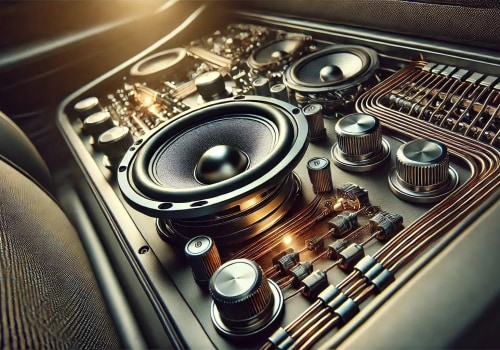
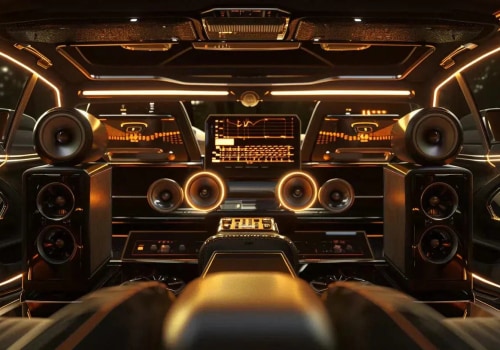
In the world of automotive enthusiasts, car custom audio builds have emerged as a popular trend, transforming ordinary vehicles into personalized sound systems that cater to individual tastes and preferences. These builds go beyond simple upgrades; they involve a comprehensive approach to enhancing the auditory experience within a vehicle. From high-fidelity speakers to advanced subwoofers and custom enclosures, car audio customization allows owners to create a sound environment that reflects their unique style and listening habits.The allure of car audio customization lies not only in the superior sound quality but also in the ability to tailor the system to fit specific vehicles. Whether it’s a compact sedan or a rugged SUV, enthusiasts are increasingly exploring how they can elevate their driving experience through sound.
This growing interest has led to a surge in DIY projects and professional installations alike, making it clear that car audio builds are not just for luxury vehicles but can be adapted to suit a wide range of makes and models.One of the primary benefits of investing in a custom audio system is the enhanced listening experience it provides. Unlike factory-installed systems, which often prioritize cost over quality, custom setups can deliver rich, immersive sound that brings music to life. Additionally, these builds can increase the overall value of the vehicle, making them an attractive option for those looking to enhance their car's appeal. As we delve deeper into this topic, we will explore whether car custom audio builds can truly be applied to any type of vehicle, examining the factors that influence compatibility and installation options.
Factors Influencing Car Custom Audio Builds
When considering car custom audio builds, several key factors come into play that can significantly influence the feasibility and effectiveness of the installation.Understanding these factors is crucial for achieving optimal sound quality and performance.
- Space Availability: The amount of available space in a vehicle is one of the primary considerations. Different cars have varying amounts of room for speakers, amplifiers, and subwoofers. For instance, a compact car may have limited trunk space, making it challenging to install larger audio components, while an SUV or truck typically offers more flexibility.
- Electrical System Compatibility: The vehicle's electrical system must be able to support the additional power requirements of a custom audio setup. This includes ensuring that the alternator can handle the increased load and that the wiring is adequate to prevent any electrical issues.
Vehicles with older electrical systems may require upgrades to accommodate modern audio components.
- Vehicle Design: The design and layout of a vehicle can also impact how audio components are installed. For example, some cars have unique shapes or materials that may affect sound quality or make it difficult to mount speakers securely. Additionally, certain vehicles may have factory-installed systems that complicate the integration of aftermarket components.
- Audio System Components: The choice of audio components plays a significant role in the overall build. High-quality speakers, subwoofers, and amplifiers can enhance sound quality but may require more space and power.
It's essential to select components that not only fit within the vehicle's constraints but also complement each other for a balanced sound experience.
Types of Vehicles Suitable for Custom Audio Builds
When considering car custom audio builds, it's essential to understand that not all vehicles are created equal. Certain types of vehicles lend themselves better to audio upgrades due to their design, space, and electrical systems. Here’s a breakdown of the most suitable vehicle types for custom audio installations:- Sedans: Sedans like the Toyota Camry and Honda Accord are popular choices for custom audio builds.
Their spacious interiors allow for easy installation of high-quality speakers and subwoofers, making them ideal for sound enthusiasts.
- SUVs: SUVs such as the Ford Explorer and Chevrolet Tahoe offer ample space for larger audio systems. The elevated cabin space also enhances sound distribution, providing a more immersive listening experience.
- Trucks: Pickup trucks like the Dodge Ram and Ford F-150 are excellent candidates for custom audio builds. Their robust electrical systems can support powerful amplifiers, and the open cab design allows for creative speaker placements.
- Sports Cars: While sports cars like the Porsche 911 and Ford Mustang may have limited space, they often have high-quality factory sound systems that can be upgraded. Custom audio builds in these vehicles focus on enhancing performance without compromising aesthetics.
Before embarking on a custom audio build, it's advisable to research specific models and their compatibility with various audio components. This ensures that you can achieve the best sound quality without running into electrical or spatial limitations. Ultimately, while many vehicles can accommodate custom audio builds, sedans, SUVs, trucks, and sports cars stand out as the most adaptable options. Choosing the right vehicle type is the first step toward creating an exceptional audio experience on the road.
Challenges in Custom Audio Builds for Certain Vehicles
When it comes to car custom audio builds, not all vehicles are created equal. Certain cars present unique challenges that can complicate the installation of high-quality audio systems.Understanding these challenges is crucial for anyone considering a custom audio upgrade.
Limitations of Certain Vehicles
Compact cars and older models often have limited space for audio components. This can restrict the size and type of speakers, amplifiers, and subwoofers that can be installed. For instance:- Space Constraints: Smaller vehicles may lack the necessary room for larger speakers or subwoofers, forcing installers to opt for less powerful alternatives.
- Factory Integration: Older models might not support modern audio technology, making it difficult to integrate new systems without extensive modifications.
Common Issues with Custom Builds
In addition to space limitations, there are several common issues that can arise during custom audio installations:- Wiring Complications: Some vehicles have complex wiring systems that can make it challenging to connect new components without causing electrical issues.
- Aesthetic Considerations: Maintaining the vehicle's interior appearance while installing new audio equipment can be difficult, especially in cars with unique designs.
- Sound Quality Challenges: The acoustics of certain vehicles may not be conducive to high-quality sound reproduction, requiring additional soundproofing or speaker placement adjustments.
Essential Components of a Custom Audio System
When embarking on a car custom audio build, understanding the essential components of a custom audio system is crucial for achieving optimal sound quality.Each component plays a significant role in the overall performance, and their selection can vary based on the type of vehicle.
Speakers
Speakers are the heart of any audio system, responsible for converting electrical signals into sound. In a custom build, you can choose from various types of speakers:- Coaxial Speakers: These are all-in-one units that combine a woofer and tweeter, making them a popular choice for those looking for simplicity and space-saving solutions.
- Component Speakers: These offer superior sound quality by separating the woofer and tweeter, allowing for better sound staging and clarity. They are ideal for audiophiles who want to customize their setup.
Amplifiers
An amplifier boosts the audio signal, providing the necessary power to drive your speakers effectively. The choice of amplifier can greatly influence the sound output:- Mono Amplifiers: Best suited for subwoofers, these amplifiers focus on delivering high power to a single channel.
- Multi-Channel Amplifiers: These can power multiple speakers simultaneously, making them versatile for larger systems.
Subwoofers
A subwoofer is essential for reproducing low-frequency sounds, adding depth and richness to your music.When selecting a subwoofer, consider:
- Size: Larger subwoofers typically produce deeper bass but require more space. Smaller ones can fit in compact cars without sacrificing too much trunk space.
- Enclosure Type: The enclosure affects sound quality; sealed boxes provide tight bass, while ported boxes enhance volume and low-end response.
DIY vs. Professional Installation: What You Need to Know
When considering car custom audio builds, one of the first decisions you'll face is whether to tackle the installation yourself or hire a professional.Each approach has its own set of advantages and disadvantages that can significantly impact your overall experience and satisfaction with the final product.
DIY Car Audio Installation
Opting for a DIY installation can be an appealing choice for many car enthusiasts. Here are some key points to consider:- Cost Savings: One of the most significant benefits of a DIY installation is the potential for cost savings. By doing the work yourself, you can avoid labor costs associated with professional services.
- Personal Satisfaction: Successfully completing a custom audio build on your own can be incredibly rewarding. It allows you to take pride in your work and gain valuable skills.
- Flexibility: DIY installations give you the freedom to choose your components and design without adhering to a professional's schedule or recommendations.
- Time-Consuming: Depending on your skill level, a DIY project can take significantly longer than expected, especially if you encounter unforeseen issues.
- Lack of Expertise: Without professional experience, you may struggle with complex installations, leading to subpar sound quality or even damage to your vehicle.
Professional Car Audio Services
On the other hand, hiring a professional for your car custom audio build offers its own set of benefits:- Expertise: Professionals have the training and experience necessary to ensure that your audio system is installed correctly and performs at its best.
- Warranty and Support: Many professional services offer warranties on their work, providing peace of mind in case something goes wrong after installation.
- Time Efficiency: Professionals can often complete installations much faster than an inexperienced DIYer, allowing you to enjoy your new audio system sooner.
- Higher Costs: Professional installations typically come with a higher price tag due to labor costs and expertise.
- Lack of Personal Touch: You may have less control over the design and components used in your build when relying on someone else’s expertise.
Weighing these factors carefully will help you make an informed decision that aligns with your goals for your custom audio build.
Frequently Asked Questions About Car Custom Audio Builds
When considering car custom audio builds, many enthusiasts have questions about compatibility, installation, and troubleshooting. Here are some frequently asked questions that can help clarify the process.Can any car be customized for audio?
Yes, most cars can be customized for audio systems. However, the extent of customization may vary based on the vehicle's make and model. Some cars have more space for speakers and amplifiers, while others may require more intricate modifications.What are the common components of a custom audio system?
- Head Unit: The main control unit that manages audio sources.
- Speakers: Upgraded speakers can significantly enhance sound quality.
- Subwoofers: For deep bass, subwoofers are often added to the system.
- Amplifiers: These boost the power of the audio signal for better sound output.
- Cables and Wiring: Quality wiring is essential for optimal performance.
What should I consider when troubleshooting audio issues?
If you encounter problems with your custom audio system, consider the following:- Check Connections: Ensure all wires and connections are secure.
- Inspect Components: Look for any damaged or malfunctioning parts.
- Power Supply: Verify that the system is receiving adequate power.
- Tuning Settings: Sometimes, incorrect settings can lead to poor sound quality.
Conclusion: The Possibilities of Car Custom Audio Builds
In conclusion, car custom audio builds offer a world of possibilities for enhancing your vehicle's sound system, but the feasibility of such modifications largely depends on the type of car you own.While many vehicles can accommodate custom audio systems, certain factors must be considered to ensure a successful installation. First and foremost, understanding your vehicle's compatibility with aftermarket components is crucial. Some cars, especially older models or those with unique designs, may present challenges in terms of space and wiring. Conversely, modern vehicles often come equipped with advanced technology that can either facilitate or complicate the installation process.
- Space Constraints: Compact cars may have limited space for larger speakers or subwoofers, while SUVs and trucks typically offer more room for extensive setups.
- Wiring Complexity: Vehicles with integrated audio systems may require additional adapters or modifications to accommodate new components.
- Sound Quality Goals: Depending on your desired sound quality and volume levels, some cars may be better suited for high-performance audio systems than others.
By understanding your vehicle's specific needs and limitations, you can make informed decisions that lead to an exceptional audio experience tailored to your preferences.