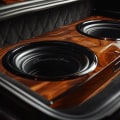
In recent years, car custom audio builds have surged in popularity among automotive enthusiasts and casual drivers alike. The desire for superior sound quality and a personalized audio experience has led many to explore the world of custom audio systems. Whether you're looking to enhance your daily commute or create a mobile concert hall, understanding the essentials of a custom audio build is crucial. One of the key factors that can make or break your audio system installation is having the right tools and equipment. From basic hand tools to specialized devices, each plays a vital role in ensuring that your audio components are installed correctly and function optimally.
Without the proper tools, even the best audio equipment can fall short of delivering the sound experience you desire. Moreover, investing in quality tools not only simplifies the installation process but also enhances the longevity and performance of your audio system. As you embark on your journey into car custom audio builds, it's essential to familiarize yourself with the necessary equipment, which can range from wire strippers and soldering irons to multimeters and speaker testers. This knowledge will empower you to tackle your project with confidence, ensuring that every note hits just right.
Understanding the Basics of Car Audio Systems
When embarking on car custom audio builds, it’s essential to understand the fundamental components that make up a car audio system. Each component plays a vital role in delivering high-quality sound and ensuring an enjoyable listening experience.Key Components of Car Audio Systems
- Head Unit: The head unit, or receiver, is the control center of your car audio system.
It allows you to play music from various sources, including Bluetooth, USB, and CDs. A good head unit will also offer features like equalization settings and compatibility with smartphone apps.
- Speakers: Speakers are crucial for sound reproduction. They come in various sizes and types, including coaxial and component speakers. Coaxial speakers combine multiple elements into one unit, while component speakers separate the elements for better sound quality.
Choosing the right speakers can significantly enhance your audio experience.
- Amplifiers: Amplifiers boost the audio signal from the head unit to the speakers. They are essential for driving high-performance speakers and subwoofers. A quality amplifier can improve clarity and volume without distortion, making it a key component in any custom build.
- Subwoofers: For those who crave deep bass, subwoofers are a must-have. They are designed to handle low-frequency sounds that standard speakers may struggle with.
Subwoofers come in various sizes and configurations, allowing you to choose one that fits your vehicle and audio preferences.
Types of Car Audio Systems
There are several types of car audio systems to consider when planning your custom build:- Factory System Upgrades: This involves replacing factory-installed components with aftermarket options for improved sound quality.
- Full Custom Builds: A complete overhaul of the audio system, including custom enclosures and tailored installations to maximize sound quality and aesthetics.
- Sound Quality Systems: Focused on achieving the best possible sound reproduction, often involving high-end components and precise tuning.
Essential Tools for Car Custom Audio Builds
When embarking on car custom audio builds, having the right tools is crucial for achieving a professional finish and ensuring the longevity of your audio system. Below is a list of essential tools that every car audio enthusiast should have in their toolkit.- Wire Strippers: These are indispensable for preparing wires for connections. A good pair of wire strippers allows you to easily remove insulation without damaging the wire itself, ensuring a clean connection.
- Soldering Iron: For secure and reliable connections, a soldering iron is essential.
It allows you to solder wires together, which provides a stronger bond than crimping or twisting wires.
- Multimeter: This tool is vital for diagnosing electrical issues. A multimeter helps you measure voltage, current, and resistance, making it easier to troubleshoot problems in your audio system.
- Crimping Tool: If you prefer not to solder, a crimping tool is necessary for attaching connectors to wires. It ensures a solid connection that can withstand vibrations and movement in your vehicle.
- Panel Removal Tools: These tools help you safely remove panels and trim without damaging your car’s interior. They are essential for accessing wiring and installing speakers or amplifiers.
- Drill and Drill Bits: A drill is often needed for mounting speakers or amplifiers securely.
Having the right drill bits ensures you can create holes in various materials, from plastic to metal.
- Heat Shrink Tubing: This is used to insulate soldered connections and protect them from moisture and abrasion. It provides an extra layer of security for your wiring.
Additional Equipment for Enhanced Audio Quality
When embarking on car custom audio builds, the right tools and equipment can significantly enhance the overall sound quality of your system. While speakers and amplifiers are essential, there are additional components that can elevate your audio experience.Sound Deadening Materials
One of the most effective ways to improve audio quality is by using sound deadening materials.These materials help to reduce vibrations and road noise, allowing for a clearer sound. By applying sound deadening mats to the doors, trunk, and floor of your vehicle, you can create a more acoustically favorable environment. This not only enhances the clarity of your music but also prevents unwanted rattling from interfering with your listening experience.
High-Quality Wiring
Another crucial aspect of enhancing car audio quality is investing in high-quality wiring. Standard wiring may not be able to handle the power demands of premium audio components, leading to signal loss and distortion.Upgrading to thicker gauge wires can improve conductivity and ensure that your system performs at its best. Additionally, using twisted pair cables for speaker connections can help minimize interference, resulting in a cleaner sound.
Power Distribution Blocks
If your custom audio build includes multiple amplifiers, consider using a power distribution block. This device allows you to efficiently distribute power from a single source to multiple components without compromising performance. It simplifies the wiring process and ensures that each amplifier receives adequate power, which is essential for optimal sound output.Capacitors
In high-powered systems, a capacitor can be a valuable addition.Capacitors store energy and release it quickly when needed, helping to stabilize voltage levels during heavy bass notes. This prevents dimming lights and ensures that your audio system maintains consistent performance even at high volumes.In conclusion, while selecting the right speakers and amplifiers is vital for car custom audio builds, incorporating additional equipment such as sound deadening materials, high-quality wiring, power distribution blocks, and capacitors can significantly enhance your overall audio experience. Investing in these components will not only improve sound quality but also contribute to the longevity of your audio system.
Safety Gear and Precautions During Installation
When embarking on car custom audio builds, ensuring your safety during the installation process is paramount. Working with electrical components and tools can pose various risks, so equipping yourself with the right safety gear and following essential precautions is crucial.- Gloves: Wearing durable gloves protects your hands from sharp edges and potential electrical shocks.
Opt for insulated gloves if you are working with wiring.
- Safety Goggles: Protect your eyes from dust, debris, and accidental splashes from cleaning agents or adhesives. Safety goggles are a must-have when cutting or drilling.
- Ear Protection: If you’re using power tools, consider wearing earplugs or earmuffs to protect your hearing from loud noises.
- Face Mask: A face mask can help filter out dust and fumes, especially when working in confined spaces or using spray adhesives.
- Work in a Well-Ventilated Area: Ensure that your workspace is well-ventilated to avoid inhaling harmful fumes from adhesives or solvents.
- Disconnect the Battery: Always disconnect the car battery before starting any electrical work to prevent short circuits and accidental shocks.
- Organize Your Tools: Keep your tools organized and within reach to minimize the risk of accidents caused by tripping or reaching for items.
- Read Instructions Carefully: Before using any tools or components, read the manufacturer’s instructions thoroughly to understand their proper use and safety measures.
Common Mistakes to Avoid in Car Custom Audio Builds
When embarking on car custom audio builds, DIY enthusiasts often encounter a range of pitfalls that can compromise the quality of their installation. Understanding these common mistakes is crucial for achieving optimal sound performance and ensuring a successful build.- Neglecting Proper Planning: One of the most significant errors is diving into the project without a clear plan.
Before starting, take the time to research and outline your goals, including the type of sound you want to achieve and the components needed.
- Inadequate Wiring: Poor wiring can lead to interference and sound quality issues. Ensure that you use high-quality cables and connectors, and pay attention to the gauge of the wire to prevent power loss.
- Ignoring Speaker Placement: The placement of speakers plays a vital role in sound quality. Many builders overlook this aspect, leading to poor acoustics. Experiment with different locations to find the best soundstage for your vehicle.
- Overlooking Power Requirements: Failing to account for the power needs of your audio system can result in underperformance or even damage.
Make sure your vehicle’s electrical system can handle the additional load, and consider upgrading your alternator if necessary.
- Skipping Sound Deadening: Many enthusiasts underestimate the importance of sound deadening materials. These materials help reduce road noise and vibrations, allowing for a clearer audio experience. Invest in quality sound deadening products to enhance your build.
FAQs About Tools and Equipment for Car Custom Audio Builds
When embarking on car custom audio builds, many enthusiasts have questions about the necessary tools and equipment.Here are some common inquiries:
- What basic tools do I need for a car audio build?
For a successful installation, you will need a variety of basic tools including a screwdriver set, wrench set, wire strippers, and crimping tools. These will help you secure components and manage wiring effectively. - Are specialized tools required?
While basic tools are essential, some specialized tools can enhance your build. A multimeter is invaluable for checking voltage and ensuring proper connections. Additionally, a panel removal tool can help you safely access your vehicle's interior without damaging trim pieces. - What equipment is necessary for sound tuning?
To achieve optimal sound quality, consider investing in a sound level meter and an equalizer.These tools allow you to fine-tune your audio system for the best performance based on your vehicle's acoustics.
- Do I need any safety equipment?
Absolutely! Safety should always be a priority. Use safety glasses to protect your eyes from debris, and consider wearing ear protection when working with loud audio systems or power tools.
Conclusion: Building Your Dream Car Audio System
In conclusion, embarking on a car custom audio build is an exciting journey that can significantly enhance your driving experience. However, the success of your project hinges on having the right tools and equipment at your disposal.Throughout this article, we have explored various essential tools that are crucial for achieving optimal results. First and foremost, investing in quality audio components such as speakers, amplifiers, and head units is vital. These components form the backbone of your audio system and directly impact sound quality. Additionally, having the right installation tools, including wire strippers, crimpers, and a multimeter, ensures that you can execute your build with precision. Moreover, don’t underestimate the importance of soundproofing materials. These materials not only enhance sound quality by reducing unwanted noise but also contribute to a more enjoyable listening experience.
Proper insulation can make a significant difference in how sound travels within your vehicle. Lastly, remember that patience and attention to detail are just as important as the tools you use. A well-planned installation process will lead to a more satisfying outcome. Whether you are a seasoned audio enthusiast or a beginner, taking the time to gather the right equipment will pay off in the long run. By following these guidelines and utilizing the appropriate tools for your car custom audio build, you can create a sound system that not only meets but exceeds your expectations. Happy building!.