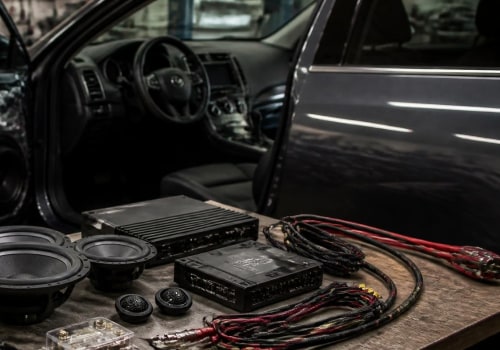
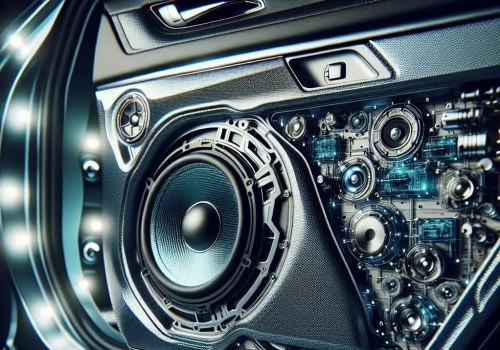
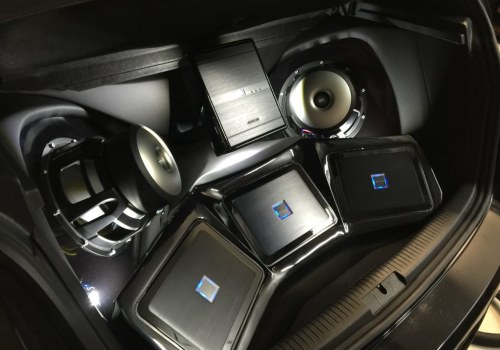
In the world of car custom audio builds, the quest for superior sound quality and performance is a driving force for enthusiasts. Whether you're a casual listener or an audiophile, upgrading your car's audio system can transform your driving experience. At the heart of these upgrades lies the amplifier, a crucial component that enhances sound clarity and power, allowing you to enjoy your favorite music as it was meant to be heard. Amplifiers serve as the backbone of any high-quality audio system, taking weak audio signals from your head unit and boosting them to drive your speakers effectively. This not only improves volume levels but also enriches the overall sound quality, making every note and beat more vibrant.
In a custom audio build, selecting the right type of amplifier is essential, as it can significantly impact the performance of your entire system. As we delve deeper into the various types of amplifiers available for car audio amplifiers, it's important to understand how each type caters to different needs and preferences. From class A/B amplifiers that offer a balance between sound quality and efficiency to class D amplifiers known for their compact size and power efficiency, each option presents unique advantages. By exploring these options, you can make informed decisions that align with your audio goals and enhance your overall driving experience.
Understanding Amplifiers in Car Audio Systems
In the realm of car custom audio builds, understanding the role of amplifiers is crucial for achieving optimal sound quality. An amplifier is an electronic device that increases the power of audio signals, allowing them to drive speakers effectively.Without an amplifier, the sound produced by a car's head unit would be insufficient to deliver the rich, full audio experience that enthusiasts seek.The primary function of an amplifier in a car audio system is to take a low-level audio signal and boost it to a level that can power speakers. This process enhances the clarity and volume of music, ensuring that every note and beat is heard as intended. Amplifiers are essential for those who want to upgrade their factory sound systems or create a custom audio setup.
Types of Amplifiers
There are several types of amplifiers commonly used in car custom audio builds, each serving different purposes:- Class A Amplifiers: Known for their high sound quality, Class A amplifiers provide excellent linearity but are less efficient, generating more heat.
- Class B Amplifiers: These amplifiers are more efficient than Class A but can introduce distortion at lower volumes.
- Class AB Amplifiers: A hybrid of Class A and B, these amplifiers offer a balance between sound quality and efficiency, making them popular for car audio systems.
- Class D Amplifiers: Highly efficient and compact, Class D amplifiers are ideal for subwoofers and high-power applications, providing powerful output with minimal heat generation.
Types of Amplifiers Used in Car Custom Audio Builds
When it comes to car custom audio builds, selecting the right amplifier is crucial for achieving optimal sound quality and performance.There are several types of amplifiers, each with unique characteristics that cater to different audio needs. Below, we explore the most popular types of amplifiers used in car audio systems: Class A, Class D, and Class AB.
Class A Amplifiers
Class A amplifiers are known for their high fidelity and sound quality. They operate by allowing the output transistors to conduct at all times, which results in minimal distortion. However, this constant operation leads to significant heat generation and lower efficiency.- Advantages: Exceptional sound quality and low distortion.
- Ideal Use Cases: Best suited for audiophiles who prioritize sound quality over power efficiency.
Class D Amplifiers
Class D amplifiers are increasingly popular in car custom audio builds due to their high efficiency and compact size.They use pulse-width modulation to convert the input signal into a series of pulses, which are then amplified. This design allows them to produce more power while generating less heat.
- Advantages: High efficiency, lightweight, and capable of delivering substantial power.
- Ideal Use Cases: Perfect for subwoofers and systems where space is limited.
Class AB Amplifiers
Class AB amplifiers combine the best features of Class A and Class B designs. They operate in Class A mode at low signal levels for better sound quality and switch to Class B mode at higher levels for improved efficiency. This hybrid approach makes them a versatile choice for many car audio enthusiasts.- Advantages: Good balance between sound quality and efficiency.
- Ideal Use Cases: Suitable for a wide range of applications, from full-range speakers to subwoofers.
Each type has its strengths and ideal applications, ensuring that you can tailor your system to meet your specific audio preferences.
Class A Amplifiers: Pros and Cons
When it comes to car custom audio builds, Class A amplifiers are often praised for their exceptional sound quality. These amplifiers operate by keeping the output transistors conducting at all times, which results in a linear amplification of the audio signal. This design leads to a number of benefits and drawbacks that are important for enthusiasts to consider.Benefits of Class A Amplifiers
- Superior Sound Quality: Class A amplifiers are renowned for their warm, rich sound. They produce low distortion levels, making them ideal for audiophiles who prioritize audio fidelity.
- Excellent Dynamic Range: These amplifiers can handle a wide range of frequencies, providing clarity and detail across the entire audio spectrum.
- Simplicity in Design: The straightforward design of Class A amplifiers often results in fewer components, which can lead to increased reliability and easier maintenance.
Drawbacks of Class A Amplifiers
- Heat Generation: One of the most significant downsides is their inefficiency.
Class A amplifiers generate a lot of heat due to their constant operation, which can necessitate additional cooling solutions in a car environment.
- Power Consumption: These amplifiers consume more power compared to other classes, which can be a concern for those looking to optimize battery life in their custom builds.
- Cost: Generally, Class A amplifiers tend to be more expensive than their Class D or Class AB counterparts, making them less accessible for budget-conscious builders.
Class D Amplifiers: Efficiency and Performance
When it comes to car custom audio builds, Class D amplifiers have gained immense popularity due to their remarkable efficiency and performance. These amplifiers utilize a switching technology that allows them to convert input signals into output power with minimal energy loss, making them an ideal choice for car audio systems where space and power consumption are critical.Advantages of Class D Amplifiers
- High Efficiency: Class D amplifiers can achieve efficiencies of up to 90% or more, which means they generate less heat compared to traditional Class A or Class AB amplifiers. This efficiency is particularly beneficial in car audio systems where battery power is limited.
- Compact Size: The design of Class D amplifiers allows for smaller components, making them easier to fit into tight spaces within a vehicle.
This compactness is a significant advantage for enthusiasts looking to maximize their audio setup without sacrificing space.
- Power Output: Despite their small size, Class D amplifiers can deliver substantial power output, making them suitable for driving subwoofers and high-performance speakers effectively.
- Less Heat Generation: With lower heat production, these amplifiers require less cooling, which can simplify installation and reduce the need for additional cooling systems in your car audio build.
Class D Amplifier Efficiency
The efficiency of Class D amplifiers is primarily due to their method of operation. Unlike linear amplifiers that continuously draw power, Class D amplifiers switch on and off rapidly, allowing them to control the output signal while minimizing wasted energy. This switching action not only enhances efficiency but also contributes to the overall sound quality by reducing distortion.In summary, the combination of high efficiency, compact size, and powerful output makes Class D amplifiers a top choice for anyone involved in car custom audio builds. Their ability to deliver exceptional performance while conserving energy aligns perfectly with the needs of modern car audio enthusiasts.
Class AB Amplifiers: The Best of Both Worlds?
When it comes to car custom audio builds, the choice of amplifier can significantly impact sound quality and performance.Among the various types of amplifiers available, Class AB amplifiers stand out as a popular choice due to their unique blend of features from both Class A and Class D designs.
Features of Class AB Amplifiers
Class AB amplifiers are designed to deliver the best of both worlds. They operate in a way that combines the linearity of Class A with the efficiency of Class D. Here are some key features:- Sound Quality: Class AB amplifiers provide excellent sound quality with low distortion, making them ideal for audiophiles who prioritize clarity and detail.
- Efficiency: While not as efficient as Class D amplifiers, Class AB models offer better efficiency than Class A, allowing for less heat generation and longer operational life.
- Power Handling: These amplifiers can handle high power levels, making them suitable for driving multiple speakers or subwoofers in a custom audio setup.
Class AB vs. Class A vs.
Class DUnderstanding the differences between these amplifier classes is crucial for making an informed decision:
- Class A: Known for their superior sound quality, Class A amplifiers operate continuously and produce minimal distortion. However, they are highly inefficient and generate significant heat, making them less practical for car audio systems.
- Class D: These amplifiers are highly efficient and compact, making them ideal for modern car audio builds where space is limited. However, they may sacrifice some sound quality compared to Class AB and Class A designs.
- Class AB: As a hybrid, Class AB amplifiers offer a balance between sound quality and efficiency. They are often favored in car audio systems where both performance and space considerations are important.
By understanding the strengths and weaknesses of each class, you can make a more informed decision that aligns with your audio preferences and installation requirements.
Choosing the Right Amplifier for Your Build
When embarking on car custom audio builds, selecting the right amplifier is crucial for achieving the desired sound quality and performance. Here are some key factors to consider when choosing an amplifier:- Power Output: The power output of an amplifier, measured in watts, is one of the most important specifications. It determines how loud your audio system can get without distortion. Ensure that the amplifier's power rating matches or exceeds the power handling capacity of your speakers.
- Impedance Matching: Amplifiers are designed to work with specific speaker impedances, typically 2, 4, or 8 ohms.
It's essential to match the impedance of your speakers with that of the amplifier to ensure optimal performance and prevent damage.
- Number of Channels: Depending on your audio setup, you may need a multi-channel amplifier. A two-channel amp is suitable for a basic stereo setup, while a four-channel or more can support additional speakers or subwoofers.
- Type of Amplifier: There are different types of amplifiers, such as Class A, Class B, Class AB, and Class D. Each type has its advantages and disadvantages in terms of efficiency, heat generation, and sound quality. For instance, Class D amplifiers are highly efficient and ideal for subwoofers.
- Features: Look for amplifiers with built-in features like crossover settings, bass boost, and equalization options.
These features allow you to customize your sound according to your preferences.
- Brand Reputation: Consider reputable brands known for their quality and reliability in the car audio industry. Reading reviews and seeking recommendations can help you make an informed decision.
Installation Tips for Car Audio Amplifiers
Installing a car audio amplifier can significantly enhance your listening experience, but it requires careful planning and execution. Here are some essential installation tips to ensure your car amplifier is set up correctly and safely.1.Choose the Right Location
Before you start the installation, select an appropriate location for your amplifier.Common spots include under the seats, in the trunk, or behind the dashboard. Ensure that the area is well-ventilated to prevent overheating and that it is easily accessible for adjustments.
2.Gather Necessary Tools and Materials
Having the right tools on hand will make the installation process smoother. You will typically need:- Screwdrivers (flathead and Phillips)
- Wire strippers
- Electrical tape
- RCA cables
- Power and ground wires
- Fuse holder and fuse
3.Connect Power and Ground Wires
The power wire should be connected directly to the car battery, using a fuse holder within 18 inches of the battery to protect against shorts. The ground wire should be attached to a clean, unpainted metal surface in your vehicle to ensure a solid connection.4.Run Signal Wires Carefully
When running RCA cables from your head unit to the amplifier, avoid routing them alongside power wires to minimize interference.Instead, run them on the opposite side of the vehicle whenever possible.
5.Secure All Connections
Ensure that all connections are tight and secure. Loose connections can lead to poor performance or even damage your equipment. Use electrical tape or heat shrink tubing to insulate exposed wires.6.Test Before Finalizing Installation
Before you finalize everything, test your setup by turning on the audio system and checking for any issues such as distortion or lack of power. Make adjustments as necessary before securing all components in place.By following these tips, you can ensure a successful installation of your car audio amplifier, maximizing performance while minimizing potential issues.Common FAQs About Car Audio Amplifiers
When it comes to car custom audio builds, understanding amplifiers is crucial for achieving the best sound quality.Here are some common questions and answers that can help clarify your doubts about car audio amplifiers.
What is the purpose of a car audio amplifier?
A car audio amplifier boosts the audio signal from your head unit, allowing you to drive your speakers more effectively. This results in clearer sound at higher volumes and can enhance the overall listening experience.How do I choose the right amplifier for my car?
Choosing the right amplifier depends on several factors:- Power Rating: Ensure the amplifier's power output matches or exceeds your speakers' requirements.
- Number of Channels: Decide if you need a mono, 2-channel, or multi-channel amplifier based on your speaker configuration.
- Impedance: Match the amplifier's impedance with your speakers for optimal performance.
Can I use a home audio amplifier in my car?
No, home audio amplifiers are not designed for automotive environments. They may not handle the voltage fluctuations and vibrations typical in vehicles, which can lead to damage or poor performance.What is the difference between Class A, B, AB, and D amplifiers?
The main differences lie in efficiency and sound quality:- Class A: Offers high sound quality but is less efficient and generates more heat.
- Class B: More efficient than Class A but can introduce distortion at lower volumes.
- Class AB: Combines the benefits of Class A and B, providing good sound quality with better efficiency.
- Class D: Highly efficient and compact, making it ideal for subwoofers and high-power applications.
Do I need an amplifier for my factory speakers?
If you're satisfied with the sound quality of your factory speakers, an amplifier may not be necessary. However, if you upgrade to aftermarket speakers or want to enhance sound clarity and volume, adding an amplifier can significantly improve performance.Understanding these FAQs can help you make informed decisions when planning your car custom audio builds.Whether you're a novice or an experienced enthusiast, knowing how amplifiers work will enhance your overall audio experience.
Conclusion: Enhancing Your Car Audio Experience with the Right Amplifier
In conclusion, selecting the right amplifier is crucial for achieving optimal sound quality in car custom audio builds. Throughout this article, we have explored various types of amplifiers, including class A, class B, class AB, and class D, each offering unique benefits tailored to different audio preferences and setups.Understanding the specific needs of your audio system is essential. For instance, if you prioritize sound fidelity and clarity, a class A amplifier may be the best choice despite its lower efficiency. Conversely, if you seek powerful bass and efficiency, a class D amplifier could be more suitable.Moreover, consider factors such as:- Power output: Ensure the amplifier can deliver sufficient power to your speakers without distortion.
- Impedance matching: Choose an amplifier that matches the impedance of your speakers for optimal performance.
- Number of channels: Depending on your setup, you may need a mono, stereo, or multi-channel amplifier.
- Features: Look for additional features like built-in crossovers or equalizers that can enhance your listening experience.
By aligning your amplifier choice with your personal audio preferences and vehicle specifications, you can create a custom audio system that not only sounds great but also elevates every journey you take. Remember, the right amplifier is not just about power; it’s about achieving a harmonious balance between clarity, depth, and overall sound quality in your car custom audio builds.