In the world of automotive enthusiasts, car custom audio builds have emerged as a popular way to enhance the driving experience. These builds go beyond mere upgrades; they represent a fusion of technology, creativity, and personal expression. For many, a car is not just a mode of transportation but a canvas for showcasing individuality, and an exceptional audio system can significantly elevate that experience. The appeal of custom car audio lies in its ability to transform the mundane into the extraordinary. Whether you’re cruising down the highway or parked at a car show, a well-designed audio system can turn heads and create an immersive sound environment.
From deep bass that resonates through your chest to crystal-clear highs that make every note shine, the right setup can make your favorite tracks come alive in ways you never thought possible. Moreover, audio system customization allows enthusiasts to tailor their setups to their specific preferences and needs. This could mean anything from selecting high-performance speakers and subwoofers to integrating advanced technologies like Bluetooth connectivity and smartphone integration. As we delve deeper into the various customization options available, it becomes clear that each choice contributes not only to sound quality but also to the overall aesthetic and functionality of the vehicle.
Key Components of Car Audio Systems
When diving into car custom audio builds, understanding the key components of car audio systems is essential. Each part plays a significant role in delivering high-quality sound and enhancing your overall listening experience.- Speakers: The heart of any audio system, car speakers come in various types, including coaxial and component speakers.
Coaxial speakers combine multiple elements into one unit, making them a popular choice for those seeking simplicity and space-saving solutions. On the other hand, component speakers separate the woofer and tweeter, allowing for better sound quality and customization.
- Amplifiers: An amplifier boosts the audio signal from your head unit to the speakers. This component is crucial for achieving higher volume levels without distortion. There are different types of amplifiers, such as mono, stereo, and multi-channel, each serving specific needs based on your audio setup.
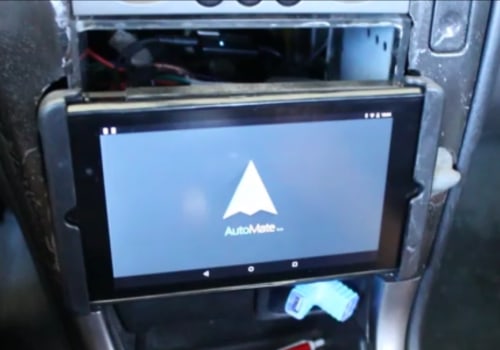
- Head Units: The head unit is the control center of your car audio system.
It allows you to manage playback sources, adjust settings, and connect to various devices via Bluetooth or USB. Upgrading to a high-quality head unit can significantly enhance sound quality and provide additional features like touchscreen displays and smartphone integration.
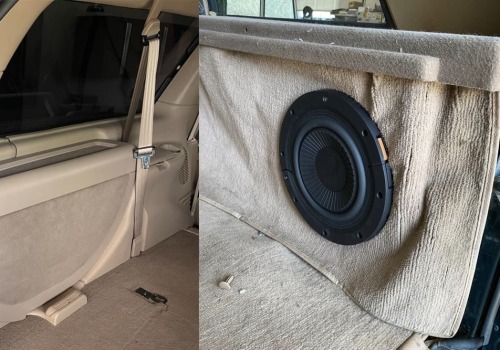
- Subwoofers: For those who crave deep bass, subwoofers are a must-have. They are designed to reproduce low-frequency sounds that standard speakers may struggle with. Choosing the right size and type of subwoofer can dramatically improve your audio experience.
- Cables and Wiring: Quality cables and wiring are often overlooked but are vital for optimal performance.
Using high-grade speaker wire and RCA cables can reduce signal loss and interference, ensuring that your audio system operates at its best.
Popular Customization Options for Speakers
When it comes to car custom audio builds, the choice of speakers plays a crucial role in achieving superior sound quality. Understanding the different types of speakers available can help you make informed decisions that enhance your listening experience.Types of Speakers
- Coaxial Speakers: These are often referred to as full-range speakers. They combine multiple speaker elements into one unit, making them a popular choice for those looking for a straightforward upgrade.
Coaxial speakers are typically easier to install and can provide decent sound quality without the need for extensive modifications.
- Component Speakers: For audiophiles seeking the best sound quality, component speakers are the way to go. These systems separate the woofer and tweeter, allowing for better sound staging and clarity. While they may require more complex installation, the payoff in audio fidelity is significant.
Speaker Upgrades
Upgrading your car's speakers can dramatically improve your audio experience. Consider brands known for their quality, such as JBL, Pioneer, and Kicker.Each brand offers various models tailored to different listening preferences and budgets. When selecting speakers, pay attention to their power handling capabilities and sensitivity ratings, as these factors influence overall performance.
Installation Techniques
The installation process can also affect sound quality. Properly mounting speakers in the right locations can enhance acoustics within your vehicle. For instance, placing component tweeters at ear level can significantly improve clarity.Additionally, using sound-deadening materials during installation can minimize vibrations and road noise, allowing for a cleaner sound.In summary, choosing the right type of speakers, considering reputable brands, and employing effective installation techniques are essential steps in creating a high-quality car custom audio build. By investing time and resources into these aspects, you can transform your car's audio system into an immersive listening environment.
Choosing the Right Amplifier for Your Build
When it comes to car custom audio builds, selecting the right amplifier is crucial for achieving optimal sound quality and performance. An amplifier boosts the audio signal from your head unit, allowing your speakers to produce clearer and more powerful sound. Understanding the different types of amplifiers available can help you make an informed decision.Types of Amplifiers
- Class A: Known for their high sound quality, Class A amplifiers provide a clean and accurate audio signal.
However, they are less efficient and can generate a lot of heat, making them less suitable for high-power applications.
- Class B: These amplifiers offer better efficiency than Class A but may introduce some distortion at lower volumes. They are a good choice for those looking for a balance between sound quality and power consumption.
- Class D: The most efficient type, Class D amplifiers are compact and generate less heat. They are ideal for subwoofers and high-power applications, making them popular in modern car audio systems.
- Power Rating: Ensure the amplifier's power output matches your speakers' requirements. Look for RMS (Root Mean Square) ratings to gauge real-world performance.
- Number of Channels: Decide whether you need a mono, stereo, or multi-channel amplifier based on your audio setup.
Mono amplifiers are great for subwoofers, while multi-channel options can drive multiple speakers.
- Impedance Compatibility: Check the impedance ratings of both your amplifier and speakers. Most car audio systems operate at 4 ohms, but some setups may require different configurations.
- Location: Choose a location that allows for adequate ventilation to prevent overheating.
- Cabling: Use high-quality power and ground cables to reduce resistance and improve performance.
- Tuning: After installation, take the time to tune your amplifier settings to match your speakers and personal preferences for the best sound experience.
By understanding the types available and considering key factors during selection and installation, you can enhance your car custom audio build.
Subwoofers: Adding Depth to Your Sound
When it comes to car custom audio builds, subwoofers play a crucial role in delivering the deep, resonant bass that enhances your listening experience. These specialized speakers are designed to reproduce low-frequency sounds, making them essential for genres like hip-hop, electronic, and rock music.Types of Subwoofers
- Passive Subwoofers: These require an external amplifier to power them. They are versatile and can be customized to fit various audio setups.
- Active Subwoofers: These come with a built-in amplifier, making installation simpler. They are often more compact and easier to integrate into existing systems.
- Enclosed Subwoofers: These are pre-installed in a box, which helps enhance sound quality and protect the subwoofer from damage.
- Component Subwoofers: These are standalone units that allow for more customization in terms of enclosure design and placement.
Placement Options
The placement of your subwoofer can significantly affect sound quality.
Here are some common options:
- Trunk Installation: This is the most common method, where the subwoofer is placed in the trunk for maximum space efficiency.
- Under-Seat Installation: Ideal for smaller vehicles, this option saves space while still delivering impressive bass.
- Rear Deck Installation: Mounting the subwoofer on the rear deck can provide a more immersive sound experience, as it allows sound waves to travel throughout the cabin.
Installation Tips
Proper installation is key to maximizing your subwoofer's performance. Here are some tips:
- Choose the Right Amplifier: Ensure that your amplifier matches the power requirements of your subwoofer for optimal performance.
- Use Quality Wiring: Invest in high-quality cables to minimize signal loss and ensure clear sound transmission.
- Tune Your System: Adjust the settings on your amplifier and head unit to achieve the best balance between bass and overall sound quality.
Head Units: The Control Center of Your Audio System
In the realm of car custom audio builds, the head unit serves as the essential control center, orchestrating the entire audio experience. A high-quality head unit not only enhances sound quality but also provides a user-friendly interface for managing your audio sources.Key Features of Modern Head Units
- Bluetooth Connectivity: One of the most sought-after features in contemporary head units is Bluetooth connectivity. This allows for seamless pairing with smartphones, enabling hands-free calls and wireless music streaming from various apps.
- Touchscreen Interfaces: Many modern head units come equipped with large touchscreen displays that provide intuitive navigation through menus and settings.
These interfaces often support swipe gestures and customizable layouts, making it easier to access your favorite features.
- Media Format Compatibility: A versatile head unit should support a wide range of media formats, including MP3, WAV, and FLAC. This ensures that you can enjoy high-quality audio from various sources, whether it's a USB drive, SD card, or streaming service.
- Built-in Navigation: Some head units integrate GPS navigation systems, providing real-time directions and traffic updates directly on the display. This feature is particularly useful for long road trips or unfamiliar routes.
- Equalizer Settings: Advanced equalizer settings allow users to fine-tune their audio experience by adjusting bass, treble, and midrange frequencies. This customization can significantly enhance sound quality based on personal preferences and vehicle acoustics.
The right head unit not only elevates your listening experience but also integrates seamlessly with other components of your audio system, ensuring that every drive is accompanied by exceptional sound quality.
Sound Deadening Materials: Enhancing Audio Quality
When it comes to car custom audio builds, one of the most effective ways to enhance audio quality is through the use of sound deadening materials. These materials play a crucial role in minimizing unwanted noise and vibrations, allowing for a clearer and more immersive listening experience.Noise reduction in cars
is essential, especially for audiophiles who want to enjoy their music without interference from external sounds. By applying sound deadening materials, you can significantly reduce road noise, engine sounds, and vibrations that can distort audio playback.Types of Sound Deadening Materials
- Mass Loaded Vinyl (MLV): This dense material is effective at blocking sound waves and is often used in car audio installations. It can be applied to doors, floors, and the trunk to create a quieter cabin.
- Butyl Rubber: Known for its excellent vibration-dampening properties, butyl rubber is commonly used in automotive sound deadening.
It adheres well to metal surfaces and helps reduce resonance.
- Acoustic Foam: While primarily used for acoustic treatment in studios, acoustic foam can also be beneficial in cars. It absorbs sound waves and reduces echo, making it a great addition to your audio build.
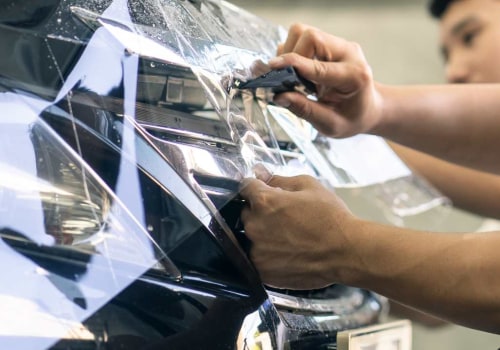
- Sound Deadening Mats: These mats are designed specifically for automotive applications. They are easy to install and can be placed under carpets or on interior panels to enhance sound quality.
Common spots include the doors, trunk, and floorboards. Once you’ve selected the appropriate materials, ensure that they are installed correctly to maximize their effectiveness.In conclusion, incorporating sound deadening materials into your car custom audio builds not only improves audio clarity but also enhances overall driving comfort. By investing time and resources into proper acoustic treatment, you can transform your vehicle into a sanctuary of sound.
Installation Tips for Custom Audio Builds
Installing a custom audio system in your car can significantly enhance your listening experience, but it requires careful planning and execution. Here are some essential installation tips to ensure your car custom audio builds perform at their best.DIY Audio Installation
If you’re considering a DIY approach, start by gathering all necessary tools and components.Here’s a quick checklist:
- Tools: Screwdrivers, wire strippers, soldering iron, and a multimeter.
- Components: Head unit, speakers, amplifiers, and wiring kits.
Wiring Considerations
Proper wiring is crucial for optimal sound quality. Use high-quality speaker wire and ensure all connections are secure.If you're unsure about the wiring process, consider using color-coded connectors to simplify the installation.
When to Seek Professional Help
While DIY installations can be rewarding, there are times when it’s best to seek professional installation services:- If you lack experience with electrical systems.
- If your build involves complex components like advanced amplifiers or processors.
- If you want to ensure that your warranty remains intact.
Common FAQs About Car Custom Audio Builds
When it comes to car custom audio builds, many enthusiasts have questions that can help them make informed decisions. Here are some of the most common FAQs:What components are essential for a car audio build?
A typical car audio build includes several key components:- Head Unit: The main control center for your audio system, which can include features like Bluetooth connectivity and touchscreen interfaces.
- Speakers: Upgrading factory speakers is crucial for improved sound quality. Options include coaxial and component speakers.
- Subwoofers: For deep bass, adding a subwoofer can significantly enhance your listening experience.
- Amplifiers: These boost the power of your audio system, allowing for clearer sound at higher volumes.
- Cables and Wiring: Quality wiring is essential to ensure optimal performance and prevent interference.
How do I troubleshoot common car audio issues?
If you encounter problems with your car custom audio build, consider these troubleshooting tips:- No Sound: Check all connections, including the head unit and speaker wires.
Ensure the amplifier is powered on.
- Distorted Sound: This may indicate that the volume is too high or that the speakers are not compatible with the amplifier. Adjust settings accordingly.
- Bass Issues: If your subwoofer isn’t performing well, check its wiring and ensure it’s properly powered. You may also need to adjust the crossover settings.
Conclusion: Crafting Your Perfect Car Audio Experience
In conclusion, creating the perfect car custom audio build is a journey that requires careful consideration and thoughtful customization. Throughout this article, we have explored various aspects of car audio systems, from selecting the right components to understanding the importance of acoustics and installation techniques.To recap, here are some key points to keep in mind:- Component Selection: Choosing high-quality speakers, amplifiers, and head units is crucial for achieving superior sound quality.
Brands like Pioneer, JL Audio, and Kicker offer a range of options that cater to different preferences and budgets.
- Sound Quality: Investing in sound deadening materials can significantly enhance your listening experience by reducing unwanted noise and vibrations. This step is often overlooked but is essential for a clean sound.
- Customization Options: From custom enclosures to unique speaker placements, the possibilities for personalization are endless. Tailoring your setup to fit your vehicle's specific dimensions and your personal taste can make a significant difference.
- Professional Installation: While DIY projects can be rewarding, enlisting the help of professionals ensures that your system is installed correctly and functions optimally. This can save you time and potential headaches down the road.
By taking the time to research, plan, and execute your audio system with care, you can transform your vehicle into a mobile concert hall that you’ll enjoy for years to come.