A custom automotive audio system can completely change the atmosphere inside a vehicle, delivering clearer music, deeper bass, and a more immersive listening experience. However, maximum volume should not be the only goal when designing a system, particularly when passengers regularly spend time in the vehicle. Excessive bass, harsh high frequencies, vibration, and poorly positioned speakers can quickly turn impressive equipment into an uncomfortable experience. The best custom audio builds balance sound quality with passenger comfort by considering speaker placement, tuning, insulation, equipment selection, and the intended use of the vehicle.
Start With the Right Equipment
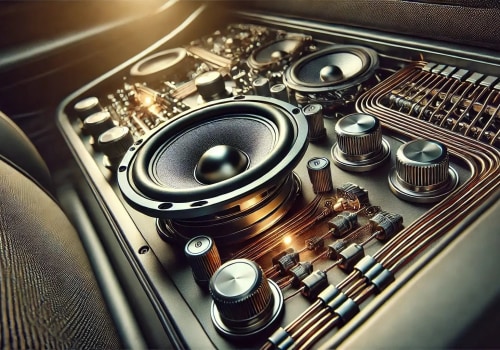
Choosing suitable components creates the foundation for a balanced audio system. Speakers, subwoofers, amplifiers, processors, and head units should work together rather than simply being selected according to maximum power ratings. A powerful amplifier paired with unsuitable speakers may introduce distortion, while oversized subwoofers can overwhelm a small passenger cabin. Installers should consider the vehicle’s dimensions, seating configuration, and factory acoustics before recommending equipment. For passenger-focused vehicles, clarity across different volume levels is often more valuable than extreme output. A properly matched system can deliver rich, detailed sound without requiring passengers to tolerate unnecessarily high volume.
Speaker Placement Influences the Experience
Speaker positioning determines how sound travels throughout the cabin. Poor placement can create areas that are excessively loud while leaving other seats with weak or unbalanced audio. Professional installers often consider speaker angles, listening positions, interior materials, and reflections when planning a custom build. This becomes particularly relevant for transportation environments such as Daddio - Southeast Florida limo service, where passengers may value conversation, relaxation, and a refined atmosphere alongside entertainment. A well-designed system should provide enjoyable sound throughout the vehicle without forcing every passenger to experience the same intensity.
Control Bass and Interior Vibration
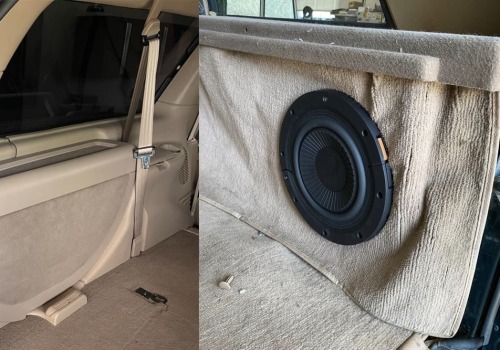
Deep bass can add energy and depth to music, but excessive low-frequency output can become tiring during longer trips. Powerful subwoofers may also cause doors, panels, trim pieces, and other interior components to vibrate. Sound-deadening materials can help reduce unwanted resonance and road noise while allowing the audio system to perform more efficiently. Properly securing panels and equipment is equally important. Instead of increasing subwoofer output to compensate for road noise, improving cabin insulation may allow listeners to hear more detail at lower volumes. This creates a more controlled experience while helping preserve the vehicle’s refined interior environment.
Tuning Makes the Difference
Even premium equipment can sound unpleasant without proper tuning. Digital signal processors and equalization tools allow installers to adjust frequencies, timing, crossover points, and output levels. Harsh frequencies can be reduced while vocals and instruments are brought into better balance. Multiple audio presets can also be useful for vehicles serving different purposes. One setting might provide fuller sound for entertainment, while another could maintain quieter background music when passengers want to talk or work. Giving occupants reasonable control over volume can further improve comfort.
Design Around the Passenger
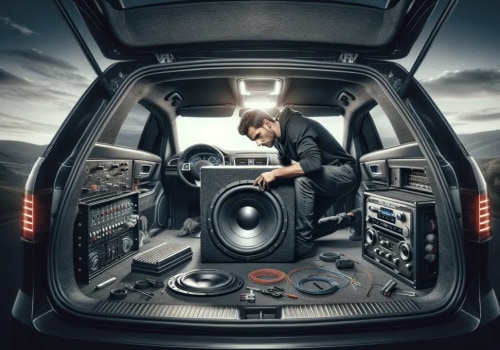
A successful custom audio build should ultimately match how the vehicle is actually used. A show car designed for audio competitions has different requirements from a daily driver or professionally chauffeured vehicle. Passenger space, luggage capacity, accessibility, and safety should never be sacrificed simply to accommodate larger audio components. Installations should remain secure, organized, and visually integrated with the cabin whenever possible. By combining appropriately sized equipment, strategic speaker placement, sound insulation, careful tuning, and flexible controls, custom audio systems can deliver impressive performance without overwhelming passengers. Powerful sound and comfort do not have to compete; when a system is designed thoughtfully, they can work together to create a sophisticated and enjoyable journey.