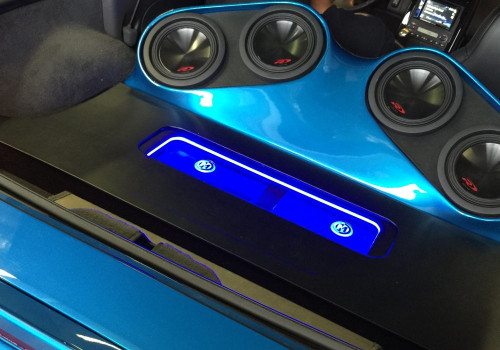
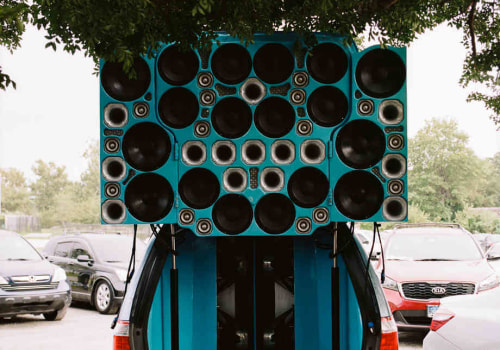
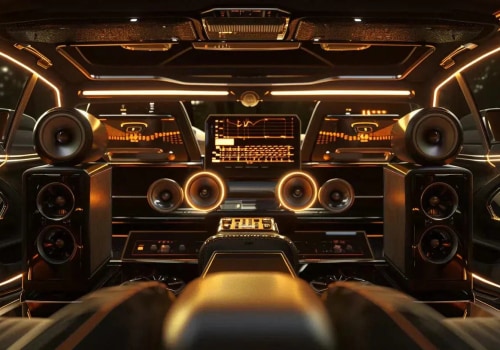
When it comes to enhancing the driving experience, car custom audio builds have become a popular choice among automotive enthusiasts. These builds allow individuals to tailor their vehicle's sound system to their personal preferences, creating an immersive audio environment that standard factory systems simply cannot match. From deep bass to crystal-clear highs, a custom audio system can transform any car into a mobile concert hall, making every drive more enjoyable. The allure of custom audio systems lies not only in the superior sound quality but also in the ability to express individuality. Car owners can choose from a variety of components, including speakers, amplifiers, and subwoofers, to create a setup that reflects their unique taste and style.
This customization process can be both exciting and overwhelming, especially for those new to the world of car audio. One common question that arises when planning a car custom audio build is whether the project must be completed all at once or if it can be approached in stages. Understanding the various audio build stages is crucial for anyone looking to embark on this journey. By breaking down the process into manageable steps, car owners can not only spread out costs but also gradually enhance their audio experience without feeling rushed or overwhelmed.
The Benefits of Staging Your Car Audio Build
When considering car custom audio builds, many enthusiasts wonder whether they should tackle the entire project at once or break it down into manageable stages. Staging your audio build can offer several significant advantages that enhance both the experience and the final outcome.Cost Management
One of the primary benefits of a phased approach is cost management.By spreading out your purchases over time, you can allocate your budget more effectively. This allows you to invest in higher-quality components without the pressure of a large upfront expense. For instance, you might start with a premium head unit and later add amplifiers and speakers as funds allow.
Flexibility in Upgrades
Another advantage is the flexibility it provides. As technology evolves, new products and innovations emerge regularly.By building your system in stages, you can take advantage of the latest advancements in audio technology without being locked into a single setup. This means you can replace or upgrade components as better options become available.
Testing and Adjusting Components
Staging also allows for testing and adjusting components over time. After each upgrade, you can assess how the new addition interacts with your existing setup. This iterative process enables you to fine-tune your audio system for optimal performance, ensuring that each component works harmoniously with the others.Personalized Experience
Finally, a phased build offers a more personalized experience.You can tailor each stage to your specific listening preferences and needs. Whether you prioritize bass response, clarity, or overall soundstage, taking your time allows you to create a system that truly reflects your unique taste. In conclusion, staging your car custom audio build not only makes financial sense but also enhances the overall quality and enjoyment of your audio experience. By embracing this approach, you can create a system that evolves with you and meets your auditory desires over time.
Challenges of Staging a Car Audio Build
Staging a car custom audio build can seem like a practical approach, allowing enthusiasts to spread out costs and tackle upgrades over time. However, this method is not without its challenges and potential drawbacks. One of the primary issues with incremental upgrades is the risk of compatibility problems.For instance, if you install a new head unit before upgrading your speakers, you may find that the new head unit does not fully complement the existing audio system. This can lead to suboptimal sound quality and performance, negating the benefits of your initial investment. Additionally, phased builds can create a disjointed audio experience. Each component in a car audio system is designed to work harmoniously with others. If you upgrade one part without considering how it interacts with the rest of the system, you might end up with an unbalanced sound profile.
For example, adding a powerful subwoofer without upgrading the amplifier can lead to distortion and an overall lack of clarity in sound. Another challenge is the potential for increased costs over time. While staging may seem budget-friendly initially, purchasing components separately can sometimes lead to higher prices compared to buying everything at once. Moreover, if you decide to change your mind about certain components later on, you may incur additional expenses for replacements or modifications. Finally, there’s the issue of installation complexity. Each stage of a build requires careful planning and installation.
If not executed properly, it can lead to further complications down the line, such as wiring issues or the need for reconfiguration of existing components. In conclusion, while staging a car custom audio build is possible, it requires careful consideration and planning to avoid compatibility issues and ensure optimal performance throughout the process.
Key Components of a Car Custom Audio Build
When embarking on car custom audio builds, understanding the key components is essential for achieving the desired sound quality and performance. Each part plays a crucial role in the overall system, whether you choose to build it all at once or in stages.- Head Unit: The head unit is the control center of your audio system. It manages all audio sources, including radio, Bluetooth, and auxiliary inputs. A high-quality head unit can significantly enhance sound processing and provide better connectivity options.
- Speakers: Speakers are vital for delivering sound.
Upgrading to high-performance speakers can dramatically improve clarity and bass response. Consider component speakers for a more detailed soundstage or coaxial speakers for a simpler installation.
- Amplifiers: Amplifiers boost the audio signal, allowing your speakers to perform at their best. They are especially important if you plan to use high-powered speakers or subwoofers. A good amplifier can prevent distortion and enhance overall sound quality.
- Subwoofers: For those who crave deep bass, subwoofers are a must-have.
They handle low frequencies that standard speakers often struggle with. Choosing the right size and type of subwoofer can make a significant difference in your listening experience.
- Cables and Wiring: Quality cables and wiring are often overlooked but are essential for optimal performance. Poor wiring can lead to signal loss and interference, undermining the quality of your entire audio system.
Planning Your Car Audio Build: Stage by Stage
When embarking on car custom audio builds, many enthusiasts wonder if they can tackle the project in stages rather than completing it all at once.The answer is a resounding yes! A phased approach not only makes the process more manageable but also allows for thoughtful planning and budgeting.To effectively plan your car audio build in stages, consider the following steps:
- Define Your Goals: Start by determining what you want to achieve with your audio system. Are you looking for better sound quality, increased volume, or advanced features like Bluetooth connectivity? Having clear goals will guide your decisions.
- Prioritize Components: Identify the essential components needed for your build. Typically, this includes the head unit, speakers, amplifiers, and subwoofers. Prioritize these based on your goals and budget.
For instance, upgrading the head unit might be a good first step as it can significantly enhance sound quality.
- Ensure Compatibility: As you plan each stage, ensure that new components are compatible with existing ones. This is crucial to avoid issues down the line. Research specifications and consult with professionals if necessary.
- Budget Wisely: Allocate your budget according to the priority of each component. It’s wise to invest more in high-quality speakers or amplifiers that will have a lasting impact on sound performance.
- Install in Phases: Begin with the most critical components and gradually add others.
For example, start with the head unit and front speakers, then move on to rear speakers and amplifiers. This allows you to enjoy improvements along the way rather than waiting until everything is complete.
Real-Life Examples of Staged Car Audio Builds
When it comes to car custom audio builds, many enthusiasts find that tackling the project in stages not only makes it more manageable but also allows for a more personalized approach. Here are some real-life examples of successful staged builds that illustrate this concept.Example 1: The Gradual Upgrade
One car audio enthusiast, John, started with a basic factory sound system in his sedan.He first replaced the factory speakers with high-quality aftermarket options, which significantly improved sound clarity. After enjoying this upgrade for several months, he then added a subwoofer to enhance the bass response. Finally, he upgraded the head unit to a touchscreen model with Bluetooth capabilities. This staged approach allowed John to spread out his budget and enjoy each improvement as it came.
Example 2: The Complete Overhaul
Another case is that of Sarah, who owned an older SUV.She decided to completely overhaul her audio system but did so in phases. Initially, she focused on sound deadening the vehicle to reduce road noise, which made a noticeable difference in sound quality. Next, she installed a new amplifier to power her existing speakers before finally adding a custom-built enclosure for her subwoofers. By breaking the project into stages, Sarah was able to assess each component's impact on her overall listening experience.
Example 3: The DIY Project
Mark, a DIY enthusiast, took on a project with his pickup truck.He began by installing new speakers and wiring them directly to the factory head unit. After getting comfortable with the installation process, he moved on to building his own subwoofer box and integrating it into the truck's bed. His final stage involved upgrading the head unit and adding sound processing equipment for fine-tuning. Mark's staged approach not only saved him money but also allowed him to learn and refine his skills along the way.These examples demonstrate that car custom audio builds can be effectively executed in stages.
Each enthusiast tailored their approach based on personal preferences and budgets, leading to successful outcomes without overwhelming themselves financially or technically.
FAQs About Car Custom Audio Builds in Stages
When considering car custom audio builds, many enthusiasts wonder if they can tackle the project in stages rather than completing it all at once. Here are some frequently asked questions that address this topic:- Can I start with just the head unit?
Yes, starting with a high-quality head unit is a common first step. It serves as the control center for your audio system and can significantly enhance sound quality even before other components are added. - What components should I prioritize in a staged build?
Typically, you should focus on the head unit first, followed by speakers, amplifiers, and finally subwoofers. This order allows you to gradually improve sound quality without overwhelming your budget. - Will staging my build affect sound quality?
While a complete build may provide the best sound experience, staging allows for incremental improvements.Each component you add will enhance the overall audio quality, making it a practical approach.
- How do I ensure compatibility between staged components?
Research is key. Make sure each component you choose is compatible with your existing setup. Consult with professionals or use online resources to verify specifications. - Is it more cost-effective to build in stages?
Building in stages can be more manageable financially, allowing you to spread out costs over time. However, be mindful of potential price increases on components as technology evolves.
This approach not only makes the process more affordable but also allows for personalized upgrades tailored to your listening preferences. By addressing these common questions, you can confidently embark on your audio journey one step at a time.
Conclusion: Making the Right Choice for Your Car Audio Build
In conclusion, the decision to undertake car custom audio builds in stages or as a complete project ultimately depends on individual preferences, budget constraints, and specific audio goals. Both approaches offer unique advantages that can cater to different needs.Staged Builds:
For those who may be hesitant to commit to a full audio overhaul, a staged build allows for gradual upgrades. This method not only spreads out costs but also provides the opportunity to evaluate each component's performance before moving on to the next.
It can be particularly beneficial for enthusiasts who want to experiment with different setups and find what works best for their listening preferences.
- Flexibility: You can adapt your build based on evolving tastes or technological advancements.
- Budget Management: Spreading costs over time can make high-quality components more accessible.
- Learning Experience: Each upgrade offers insights into how different parts interact, enhancing your overall understanding of car audio systems.
Complete Builds:
On the other hand, a complete build can provide a cohesive sound experience from the outset. This approach is ideal for those who have a clear vision of their desired audio setup and are ready to invest in it all at once. A complete build often ensures that all components are compatible and optimized for performance, leading to a more satisfying listening experience right away.
- Immediate Satisfaction: Enjoy your upgraded audio system without waiting for incremental changes.
- Optimized Performance: A well-planned complete build minimizes compatibility issues and maximizes sound quality.
- Time Efficiency: Completing the project in one go saves time compared to multiple installations.
By doing so, you can make an informed decision that will lead to an enjoyable and rewarding audio experience in your vehicle.