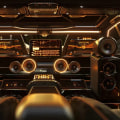
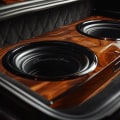
In the world of automotive customization, car custom audio builds have emerged as a popular trend among enthusiasts looking to enhance their driving experience. These builds involve the installation of high-quality audio systems tailored to individual preferences, transforming an ordinary vehicle into a mobile concert hall. From powerful subwoofers that deliver deep bass to crystal-clear speakers that reproduce every note with precision, the possibilities are virtually limitless.The allure of audio system installation lies not only in the superior sound quality but also in the ability to personalize one’s vehicle. Car owners can choose from a wide array of car audio components, including amplifiers, head units, and sound processors, allowing them to create a unique auditory experience that reflects their style and taste.
This customization process has become a form of self-expression for many, turning cars into extensions of their personalities.As the popularity of car custom audio builds continues to grow, it is essential for enthusiasts to understand the various aspects involved in these installations. While the excitement of upgrading your car's audio system is palpable, it is equally important to consider any potential legal restrictions or regulations that may apply. This understanding will not only ensure compliance with local laws but also enhance the overall enjoyment and safety of your custom audio experience.
Legal Framework Surrounding Car Modifications
When it comes to car custom audio builds, understanding the legal framework surrounding vehicle modifications is crucial for enthusiasts and builders alike. Various regulations exist at both the federal and state levels that can impact how you modify your vehicle's audio system.Federal Regulations
- The National Highway Traffic Safety Administration (NHTSA) sets forth guidelines that ensure vehicle safety and compliance.
While these regulations primarily focus on safety features, they can indirectly affect audio modifications, especially if they interfere with the vehicle's operation or safety systems.
- Additionally, the Environmental Protection Agency (EPA) regulates emissions and noise pollution. If your audio system significantly increases noise levels, it may fall under scrutiny for violating noise ordinances.
- Each state has its own set of laws regarding vehicle modifications, including car audio systems. For instance, some states have strict noise ordinances that limit the volume of car audio systems, particularly in residential areas or near schools.
- In states like California, there are specific regulations that dictate how loud a car's sound system can be. Violating these laws can result in fines or even the requirement to remove or modify the audio system.
- Moreover, certain states may require modifications to be inspected and approved by local authorities to ensure compliance with safety and environmental standards.
Some insurance companies may require you to disclose modifications, as they can impact the vehicle's value and risk profile. Failing to do so could result in denied claims in the event of an accident.In summary, while customizing your car's audio system can enhance your driving experience, it's essential to stay informed about the legal restrictions and regulations that apply. Always check local laws and consult with professionals to ensure your modifications are compliant and safe.
Noise Regulations and Sound Limitations
When embarking on car custom audio builds, it is crucial to be aware of the various noise regulations and sound limitations that may apply. These regulations can vary significantly depending on your location, as both local ordinances and state laws dictate acceptable sound levels for vehicles.Understanding Local Ordinances
- Many cities have specific noise ordinances that restrict the volume of sound systems in vehicles, especially in residential areas.
- Some municipalities may enforce quiet hours during which loud music is prohibited, often during late-night or early-morning hours.
- Violating these local laws can result in fines or even the impounding of your vehicle.
State Laws and Decibel Limits
- Most states have established decibel limits for vehicle sound systems, typically measured from a certain distance away from the vehicle.
- For example, a common limit might be set at 70 decibels when measured from 50 feet away, but this can vary widely.
- Some states may also have specific regulations regarding the type of music played, with certain genres being more likely to attract attention from law enforcement.
Consequences of Non-Compliance
Failing to adhere to these regulations can lead to serious consequences.
In addition to fines, repeated violations may result in points on your driving record or increased insurance premiums. Therefore, it is essential for enthusiasts of car custom audio builds to stay informed about the laws in their area and ensure their installations comply with local and state regulations.In summary, while customizing your car's audio system can enhance your driving experience, understanding and respecting noise regulations is vital to avoid legal issues and ensure a harmonious relationship with your community.
Safety Regulations for Audio Equipment Installation
When it comes to car custom audio builds, adhering to safety regulations is crucial not only for the longevity of the equipment but also for the safety of the vehicle's occupants. Improper installation can lead to various hazards, including electrical fires, short circuits, and even accidents caused by distractions from poorly mounted components.To ensure compliance with safety standards, consider the following guidelines:- Wiring Standards: Use high-quality, appropriately gauged wiring to handle the power requirements of your audio system. This minimizes the risk of overheating and potential fire hazards.
- Fuse Protection: Always install fuses in line with the power supply to protect against overloads.
The fuse rating should match the specifications of your audio equipment.
- Secure Mounting: Ensure that all components, including amplifiers and speakers, are securely mounted to prevent movement while driving. Loose equipment can become dangerous projectiles in the event of a sudden stop or accident.
- Ventilation: Proper ventilation is essential for amplifiers and other electronic components to prevent overheating. Avoid enclosing them in tight spaces without airflow.
- Battery Safety: When connecting to the vehicle's battery, ensure that all connections are clean and secure. Use terminal covers to prevent accidental short circuits.
Many jurisdictions have laws that limit the volume of car audio systems, especially in residential areas. Failing to comply with these regulations can result in fines or other penalties.In summary, following established installation guidelines and adhering to safety standards is essential for anyone looking to undertake a car custom audio build. Not only does this ensure a better listening experience, but it also protects you and your passengers from potential hazards associated with improper installations.
Insurance Implications of Custom Audio Builds
When considering car custom audio builds, it's essential to understand the implications these modifications can have on your vehicle insurance policy. Custom audio systems can significantly enhance your driving experience, but they may also introduce complexities regarding coverage and claims.Insurance for Custom Audio Builds
- Many standard auto insurance policies may not cover aftermarket modifications, including custom audio systems.
This means that if your system is damaged or stolen, you might not receive compensation unless you have specifically informed your insurer.
- Some insurers offer specialized policies or endorsements that cover aftermarket modifications. It's crucial to inquire about these options when planning your custom audio build.
Vehicle Insurance Regulations
- Insurance regulations can vary by state, so it's important to check local laws regarding modifications. Some states may require you to declare any significant changes to your vehicle, including audio systems.
- Failure to disclose modifications could lead to denied claims or even policy cancellation in the event of an accident.
Impact on Coverage
- The value of your custom audio system can affect your overall vehicle valuation. If you have invested significantly in high-end equipment, ensure that your policy reflects this increased value.
- In the event of an accident, insurers may only cover the factory-installed components unless you have documented and insured the aftermarket parts.
This proactive approach ensures that you have the appropriate coverage and can enjoy your enhanced audio experience without worrying about financial repercussions in case of damage or theft.
State-Specific Regulations and Variations
When it comes to car custom audio builds, understanding the legal landscape is crucial, as regulations can differ significantly from one state to another. Each state has its own set of laws governing vehicle modifications, including audio systems, which can impact how enthusiasts approach their custom builds.State Laws on Car Audio Modifications
For instance, in California, the law is quite strict regarding noise levels. The California Vehicle Code specifies that no vehicle shall emit sound exceeding 95 decibels when measured from 50 feet away. This means that car audio systems must be designed with this limit in mind to avoid fines or penalties.In contrast, Texas has more lenient regulations.While there are noise ordinances in certain cities, the state does not impose a specific decibel limit for car audio systems. However, local laws may vary, so it's essential for car owners to check their city’s regulations.
Regional Differences in Regulations
- Florida: Similar to Texas, Florida allows for significant customization but has local noise ordinances that can affect how loud a car audio system can be.
- New York: New York City has stringent noise control laws, and vehicles can be ticketed for excessive noise, making it vital for car owners to ensure their systems comply with local standards.
- Illinois: In Illinois, the law states that no vehicle shall emit sound that can be heard from a distance of 75 feet or more, which requires careful consideration during installation.
Frequently Asked Questions about Car Custom Audio Builds and Legalities
When it comes to car custom audio builds, many enthusiasts have questions regarding the legal implications of their modifications.Here are some frequently asked questions that can help clarify these concerns:
1.Are there specific laws governing car audio systems?
Yes, there are laws that vary by state and municipality regarding the volume levels of car audio systems. Most places have noise ordinances that prohibit excessive sound levels, especially in residential areas. It’s important to check local regulations to avoid fines.2.Can I modify my car's electrical system for audio upgrades?
While you can modify your car's electrical system, it’s crucial to ensure that any changes comply with safety standards. Improper installations can lead to electrical fires or damage to your vehicle’s electronics.Always consult a professional if you're unsure.
3.Do I need a permit for my custom audio installation?
Generally, you do not need a permit for audio installations unless they involve significant alterations to the vehicle's structure or electrical system. However, it’s wise to verify with local authorities.4.What about warranty issues?
Modifying your car with a custom audio build may void certain warranties, particularly if the modification causes damage to the vehicle. Always check your warranty terms before proceeding with any modifications.5.Are there restrictions on where I can install speakers?
Yes, there are restrictions on speaker placement in some states. For example, speakers cannot obstruct the driver’s view or interfere with safety equipment like airbags.Ensure that your installation complies with these guidelines.In summary, while car custom audio builds can enhance your driving experience, it’s essential to be aware of the legal landscape surrounding these modifications. By staying informed and compliant with local laws, you can enjoy your custom audio setup without legal complications.
Conclusion: Key Takeaways on Legal Restrictions for Car Custom Audio Builds
In conclusion, understanding the legal restrictions surrounding car custom audio builds is crucial for any enthusiast looking to enhance their vehicle's sound system. As we have discussed, various regulations can impact your project, from noise ordinances to safety standards.Key Points to Remember
- Noise Regulations: Many states and municipalities have specific laws regarding the maximum allowable sound levels from vehicles. It’s essential to check local laws to avoid fines or penalties.
- Installation Standards: Ensure that your audio system complies with safety regulations.
Improper installation can lead to electrical issues or even fire hazards.
- Warranty Considerations: Modifying your car's audio system may void warranties on certain components. Always consult with your dealer or manufacturer before proceeding with significant changes.
- Insurance Implications: Custom audio builds can affect your car insurance policy. Inform your insurer about modifications to ensure you remain covered in case of an accident.
Ultimately, a well-planned audio build not only enhances your driving experience but also respects the legal framework designed to protect all road users.